TREATMENT FOR MOOD INSTABILITY IN MICHIGAN AND PENNSYLVANIA
Bipolar Disorder Care for Adults
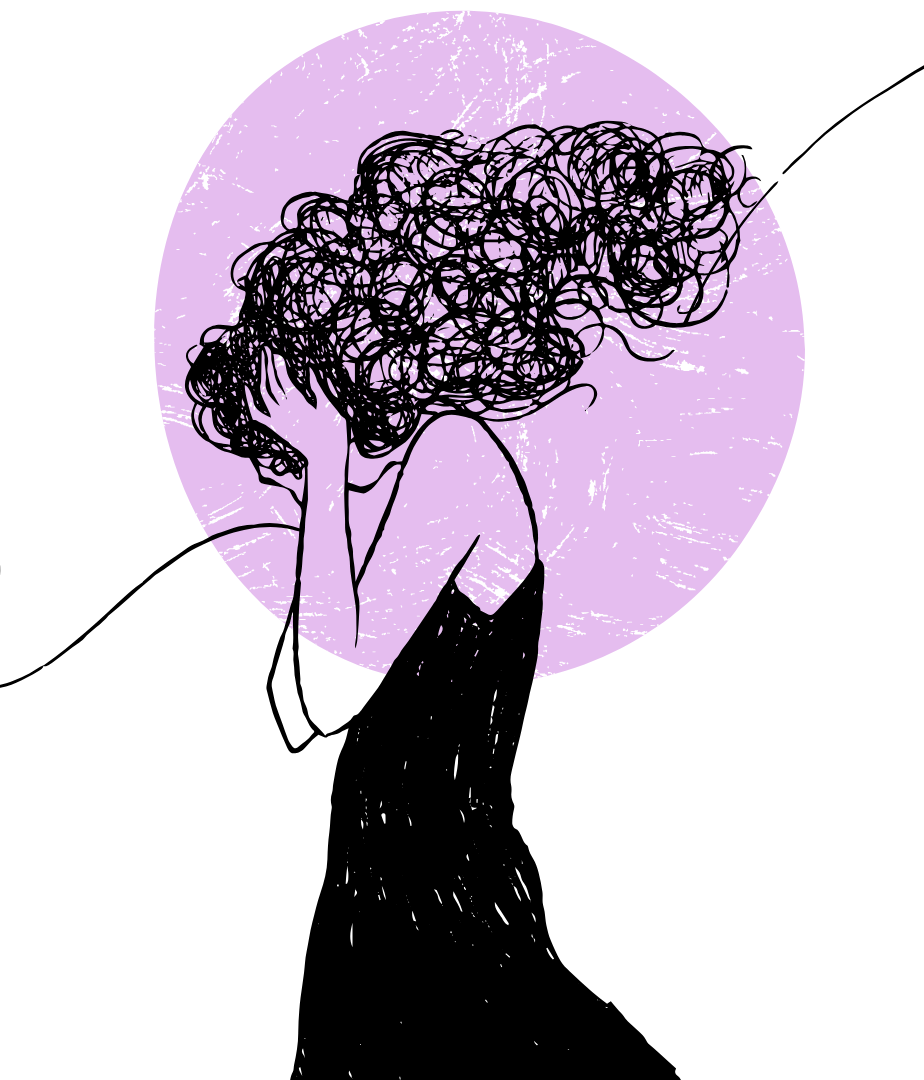
Bipolar disorder is a mood regulation condition, not a personality flaw or a lack of self-control. It affects how the brain regulates mood, energy, sleep, motivation, and thought patterns over time. When properly diagnosed and treated, many people with bipolar disorder lead stable, fulfilling lives.
At Ann Arbor Psych, we provide specialized care for adults age 18 and older living with bipolar spectrum conditions, offering psychiatric services and talk therapy through telehealth.
Bipolar Disorder by the Numbers
Bipolar disorder is more common — and more frequently misdiagnosed — than many realize.
Approximately 2–3% of U.S. adults meet criteria for bipolar I or bipolar II disorder
Bipolar II disorder is more common than bipolar I and often goes undetected
Many individuals are initially misdiagnosed with:
Major depressive disorder
Anxiety disorders
ADHD
The average delay to accurate diagnosis can be 5–10 years, particularly when hypomania is subtle
Accurate diagnosis is critical, as treatment approaches differ significantly from unipolar depression.
Understanding Bipolar Disorder
Bipolar disorder exists on a spectrum, and not everyone experiences it the same way.
It may include:
Periods of depression
Periods of elevated or irritable mood (mania or hypomania)
Changes in sleep, energy, focus, and impulse control
Shifts in productivity, creativity, or sociability
Mood episodes that may be episodic or more chronic
Many individuals experience long depressive periods and much subtler elevations — which is why bipolar disorder is frequently misunderstood or misdiagnosed.
How Bipolar Disorder Often Shows Up in Adults
Symptoms vary widely, but may include:
-
Persistent low mood or emotional numbness
Fatigue and low motivation
Changes in sleep or appetite
Feelings of guilt, hopelessness, or worthlessness
Difficulty concentrating
-
Reduced need for sleep
Increased energy or restlessness
Racing thoughts or pressured speech
Increased goal-directed activity
Impulsivity or risk-taking
Irritability rather than euphoria

Our Approach to Bipolar Disorder Care
THERAPY AND PSYCHIATRIC CARE
Our approach emphasizes:
Careful diagnostic evaluation and longitudinal history
Differentiation from unipolar depression, ADHD, and trauma
Evidence-based medication management
Thoughtful pacing of treatment changes
Ongoing monitoring for mood stability, sleep, and side effects
Collaborative, transparent decision-making
Treatment is not rushed — stability and safety come first.
WHO WE WORK WITH
We support adults (18+) including:
Individuals with bipolar I or bipolar II disorder
Adults newly diagnosed later in life
Individuals with recurrent depression where bipolar disorder is suspected
Adults with bipolar disorder and co-occurring anxiety, ADHD, or trauma
High-functioning professionals seeking mood stability
All care is provided via telehealth.
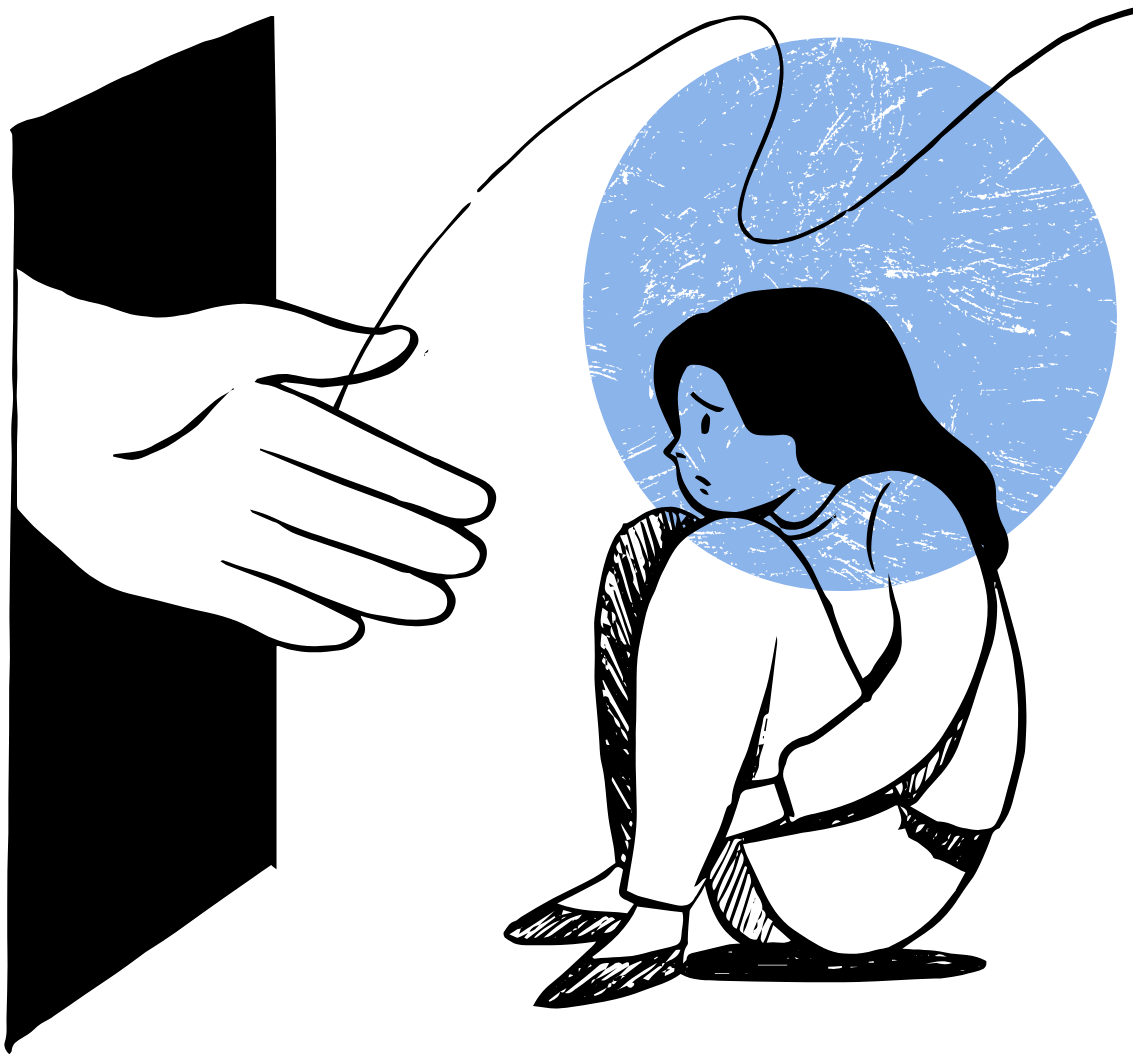
At a glance
What we treat: Bipolar Disorder and symptoms of bipolar disorder such as intense mood swings ranging from high-energy, euphoric, or irritable episodes (mania/hypomania) to profound low moods (depression).
Who we help: Adults, college students, and patients with complex or treatment-resistant symptoms
Where we serve: Online across Michigan and Pennsylvania; in-person options in Ann Arbor and East Lansing
Treatment options: Psychiatric evaluation, medication management, therapy, and root-cause workups when appropriate
Insurance: Many major insurance plans accepted
Availability: Same-week new patient appointments are available
What makes us different: Evidence-based psychiatric care combined with a root-cause approach that considers medical, nutritional, hormonal, inflammatory, sleep, and lifestyle contributors
Our Bipolar-Experienced Providers
Bipolar disorder requires clinical experience, patience, and precision.
At Ann Arbor Psych, our providers have extensive experience diagnosing and treating bipolar spectrum disorders in adults. Our clinicians understand the nuances of bipolar presentations — including those that don’t fit textbook descriptions.
Our team offers:
Experience working with bipolar I and bipolar II disorder
Skill in distinguishing bipolar disorder from depression, ADHD, and trauma
Evidence-based medication management
A non-stigmatizing, collaborative approach to care
You will be treated as a whole person — not a diagnosis.

Meet Brian Phillips, NP
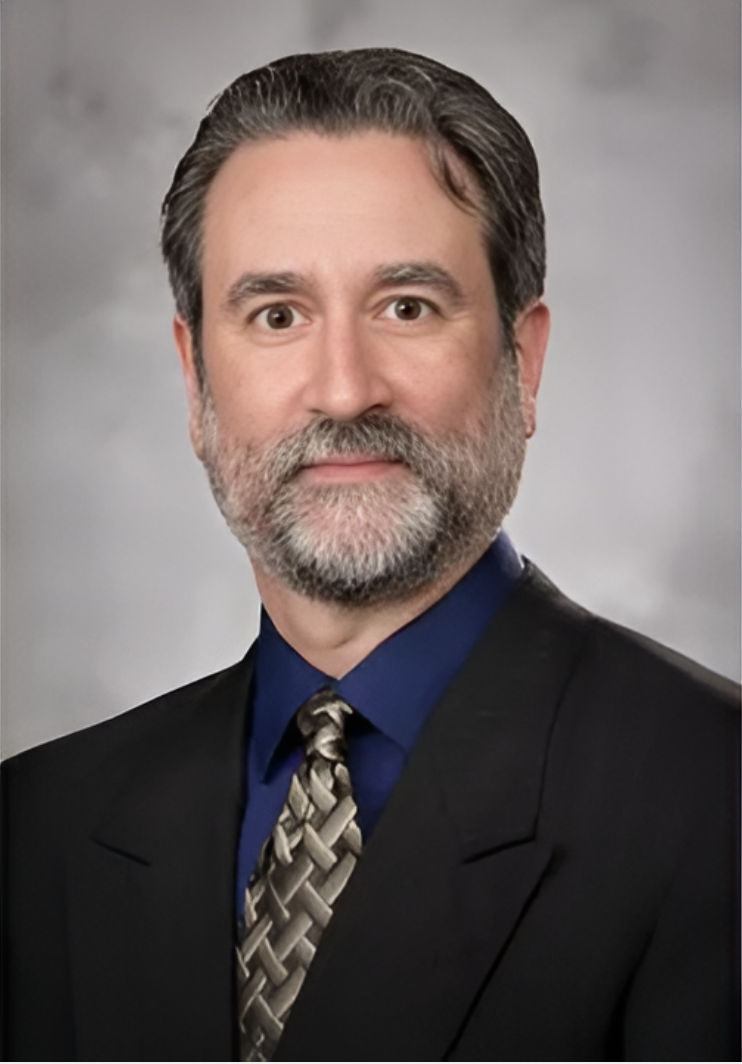
Meet Bruce Burkeen, PA-C

Meet Roopa Kline, PA-C

Angela Braun, PA-C

Anthonia Umelogu, NP
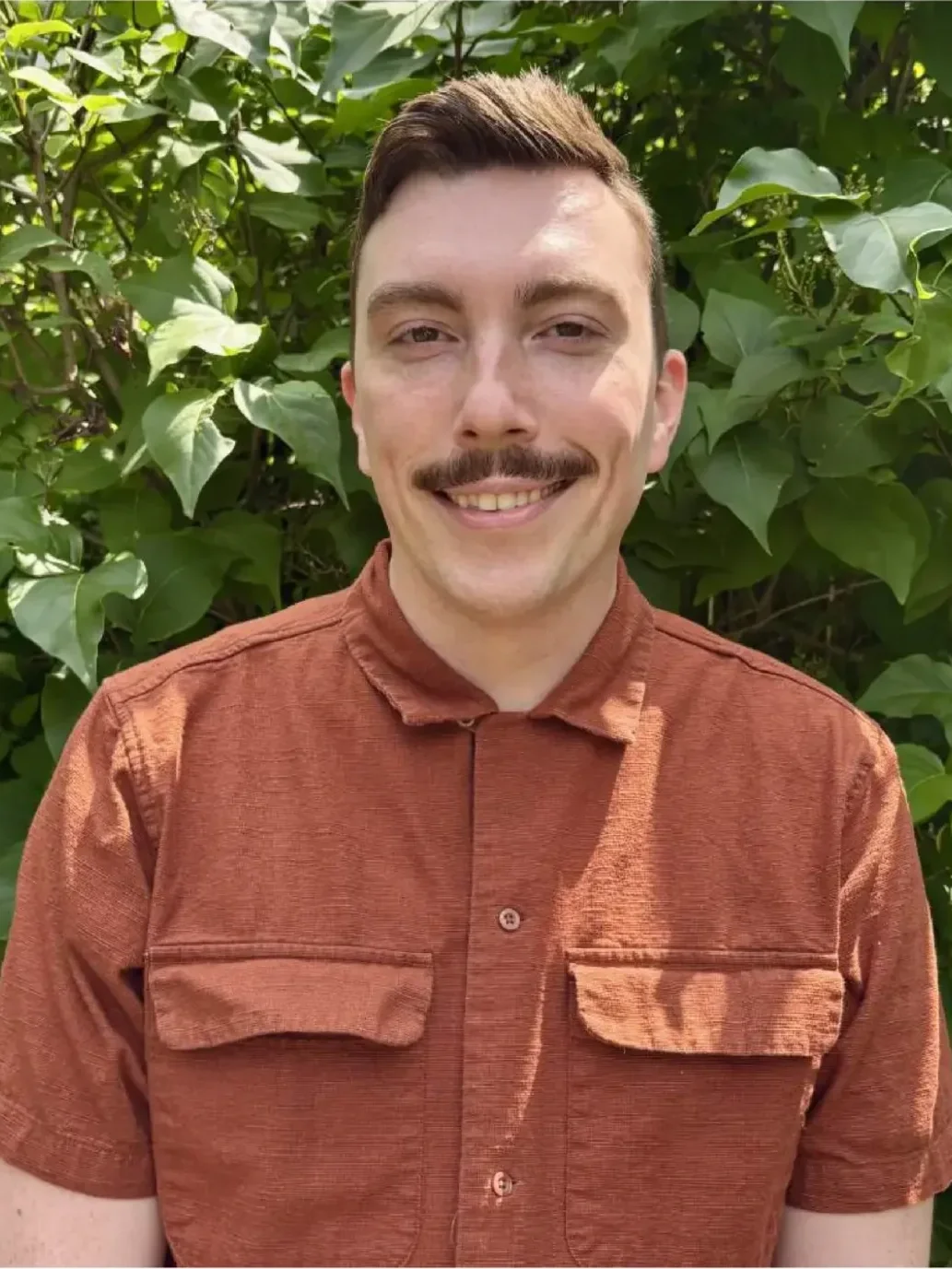
Austin Powell, PA-C

Dr. Akash Kumar
-
![Late-Diagnosed ADHD in LGBTQ+ Adults]()
Sleep and Bipolar Disorder
Why Protecting Your Sleep Is Non-Negotiable
-
![A person sitting on a hospital bed participating in a video call with a healthcare professional who is explaining medical images and ECG results during a telemedicine consultation.]()
Bipolar Disorder
A Detailed Guide