PTSD Care for Adults
TRAUMA-INFORMED, EVIDENCE-BASED CARE IN MICHIGAN AND PENNSYLVANIA
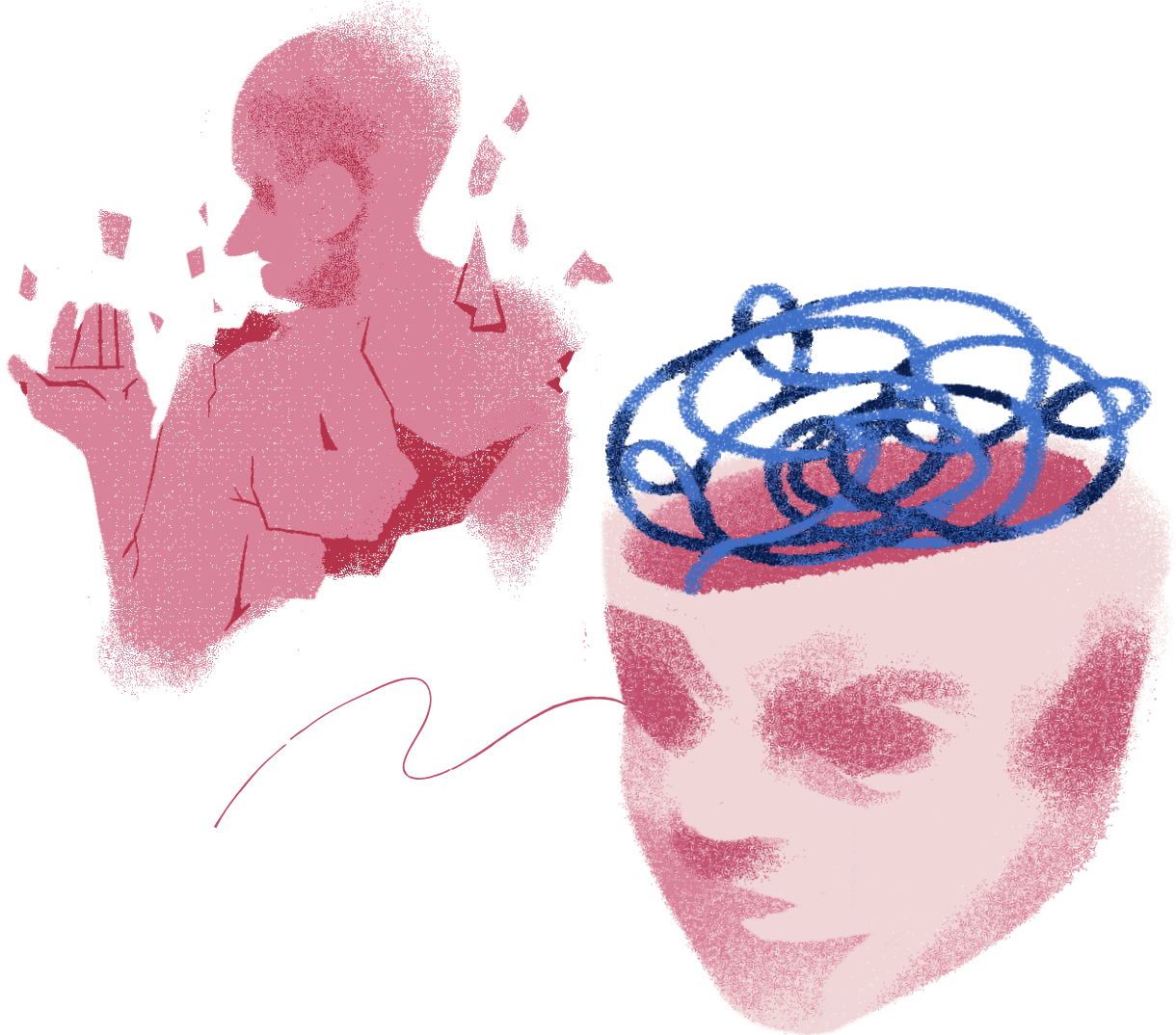
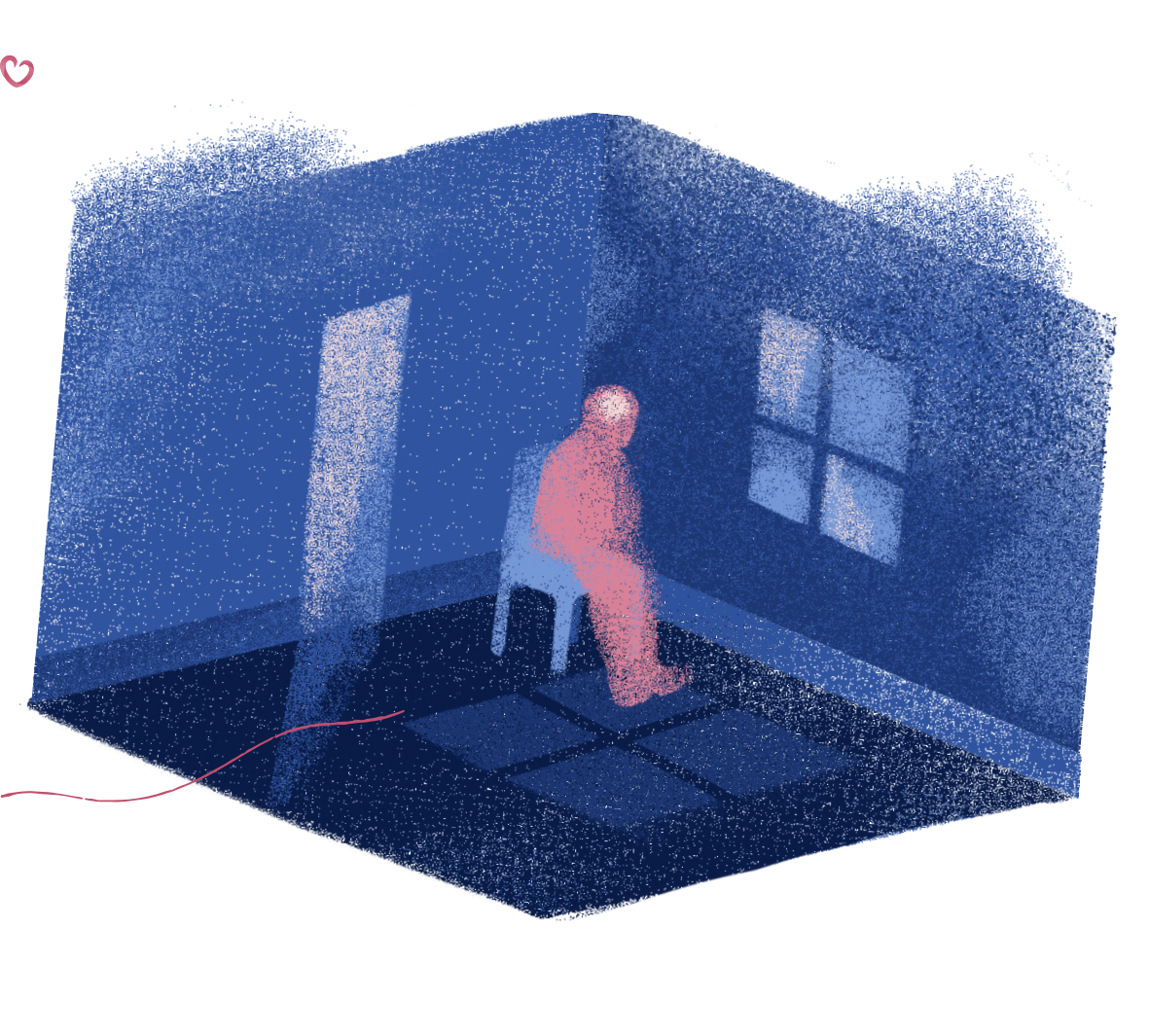
Post-Traumatic Stress Disorder (PTSD) is not a sign of weakness. It is a nervous system injury that can develop after exposure to overwhelming or life-threatening experiences. PTSD reflects the brain and body’s attempt to survive — even long after the danger has passed.
At Ann Arbor Psych, we provide specialized PTSD care for adults age 18 and older, offering trauma-informed therapy and psychiatric services through telehealth.
Understanding PTSD
PTSD can develop after experiencing or witnessing events that overwhelm the nervous system’s ability to process and recover.
Trauma may include:
Physical or sexual assault
Childhood abuse or neglect
Medical trauma
Domestic or interpersonal violence
Serious accidents or injuries
Combat or first-responder exposure
Repeated or chronic exposure to harm
Not everyone who experiences trauma develops PTSD — and PTSD does not always appear immediately.
PTSD by the Numbers
PTSD is common, underrecognized, and frequently misunderstood.
Approximately 6–8% of U.S. adults will experience PTSD at some point in their lives
Women are diagnosed at nearly twice the rate of men, largely due to higher exposure to interpersonal trauma
Many individuals with PTSD are initially misdiagnosed with:
Anxiety disorders
Major depression
Panic disorder
PTSD commonly co-occurs with:
Depression
Substance use disorders
Chronic pain and sleep disturbances
Many people live with PTSD symptoms for years before receiving trauma-specific care.
How PTSD Often Shows Up in Adults
PTSD symptoms are not limited to flashbacks.
Common experiences include:
Intrusive memories or unwanted recollections
Nightmares or disrupted sleep
Hypervigilance or constant alertness
Emotional numbing or detachment
Avoidance of reminders or situations
Irritability, anger, or emotional reactivity
Difficulty concentrating or feeling safe
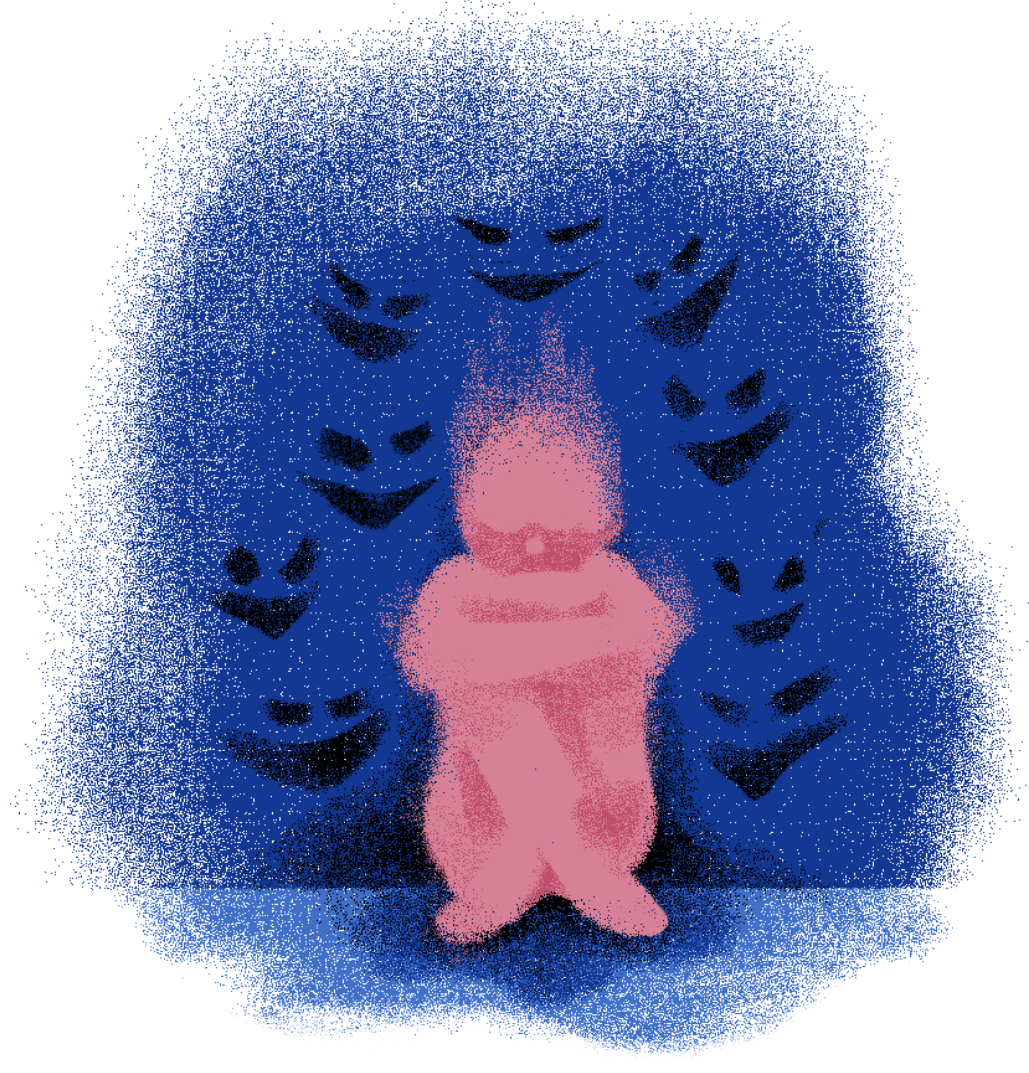
Symptoms may fluctuate over time and often worsen during periods of stress.
Our Approach to PTSD Care
THERAPY AND PSYCHIATRIC CARE
Our approach emphasizes:
Stabilization before exploration
Collaborative treatment planning
Evidence-based trauma therapies
Careful medication management when appropriate
Respect for boundaries and readiness
You will never be pressured to share details before you’re ready.

WHO WE WORK WITH
We support adults (18+) including:
Individuals with PTSD or suspected PTSD
Survivors of interpersonal or developmental trauma
Adults with complex or long-standing trauma histories
Individuals with PTSD and co-occurring depression, anxiety, or ADHD
High-functioning adults experiencing hidden trauma symptoms
All care is delivered via telehealth.

At a glance
What we treat: PTSD and PTSD symptoms such as persistent, unwanted memories, flashbacks, nightmares, and avoidance of reminders related to a traumatic event.
Who we help: Adults, college students, and patients with complex or treatment-resistant symptoms
Where we serve: Online across Michigan and Pennsylvania; in-person options in Ann Arbor and East Lansing
Treatment options: Psychiatric evaluation, medication management, therapy, and root-cause workups when appropriate
Insurance: Many major insurance plans accepted
Availability: Same-week new patient appointments are available
What makes us different: Evidence-based psychiatric care combined with a root-cause approach that considers medical, nutritional, hormonal, inflammatory, sleep, and lifestyle contributors
Our Trauma-Experienced Providers
PTSD care requires clinical expertise, patience, and attunement.
At Ann Arbor Psych, our providers have extensive experience working with adults affected by trauma and PTSD. Our clinicians understand how trauma shapes the nervous system, identity, and relationships — and how to support healing without retraumatization.
Our team offers:
Experience treating PTSD and complex trauma
Training in trauma-informed and evidence-based approaches
Sensitivity to interpersonal, medical, and developmental trauma
A non-judgmental, consent-based approach
You will be met with respect, not interrogation.
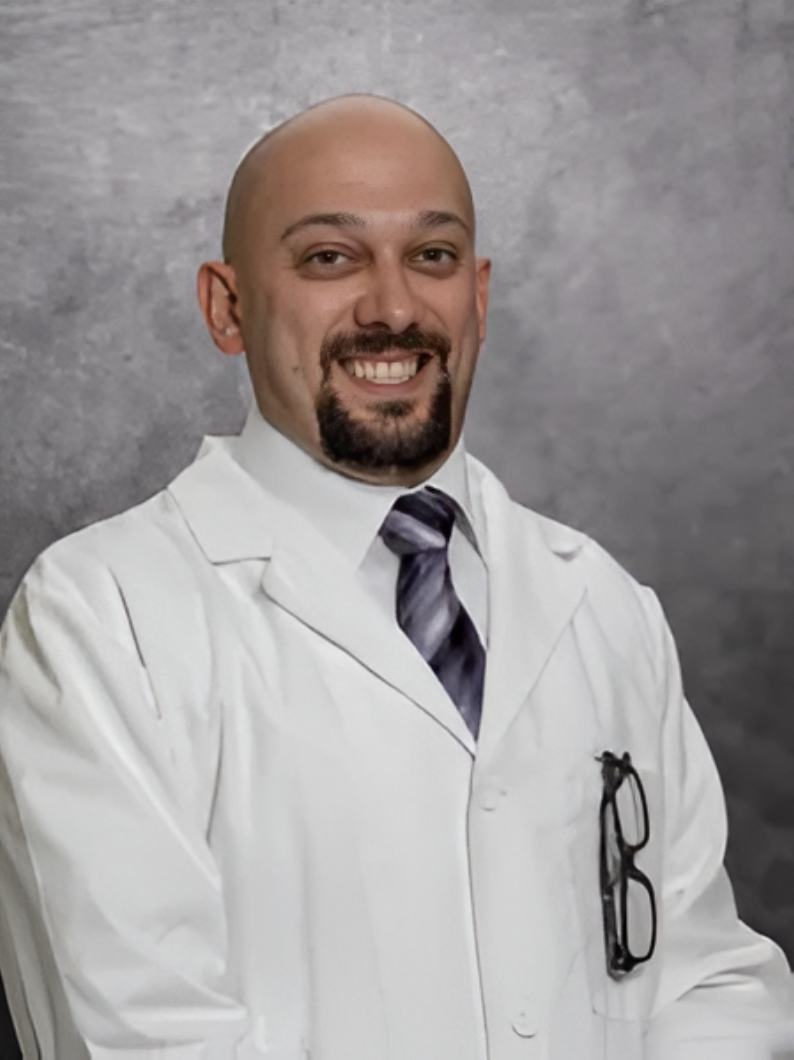
Meet Brian Phillips, NP
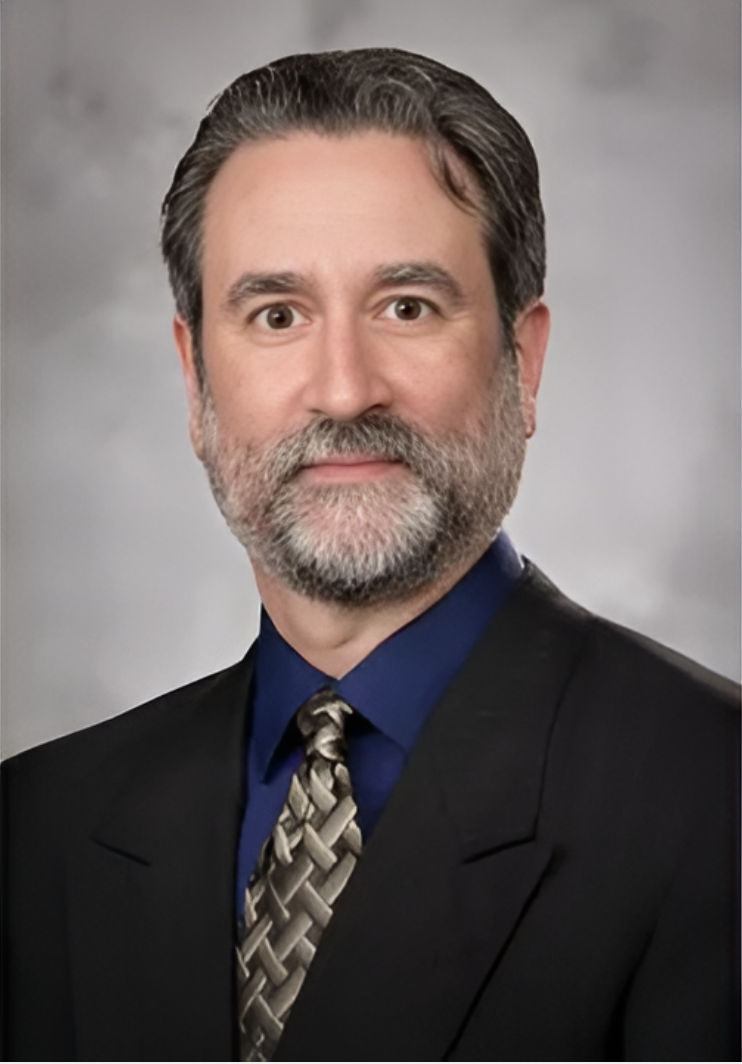
Meet Bruce Burkeen, PA-C

Meet Roopa Kline, PA-C

Angela Braun, PA-C

Anthonia Umelogu, NP
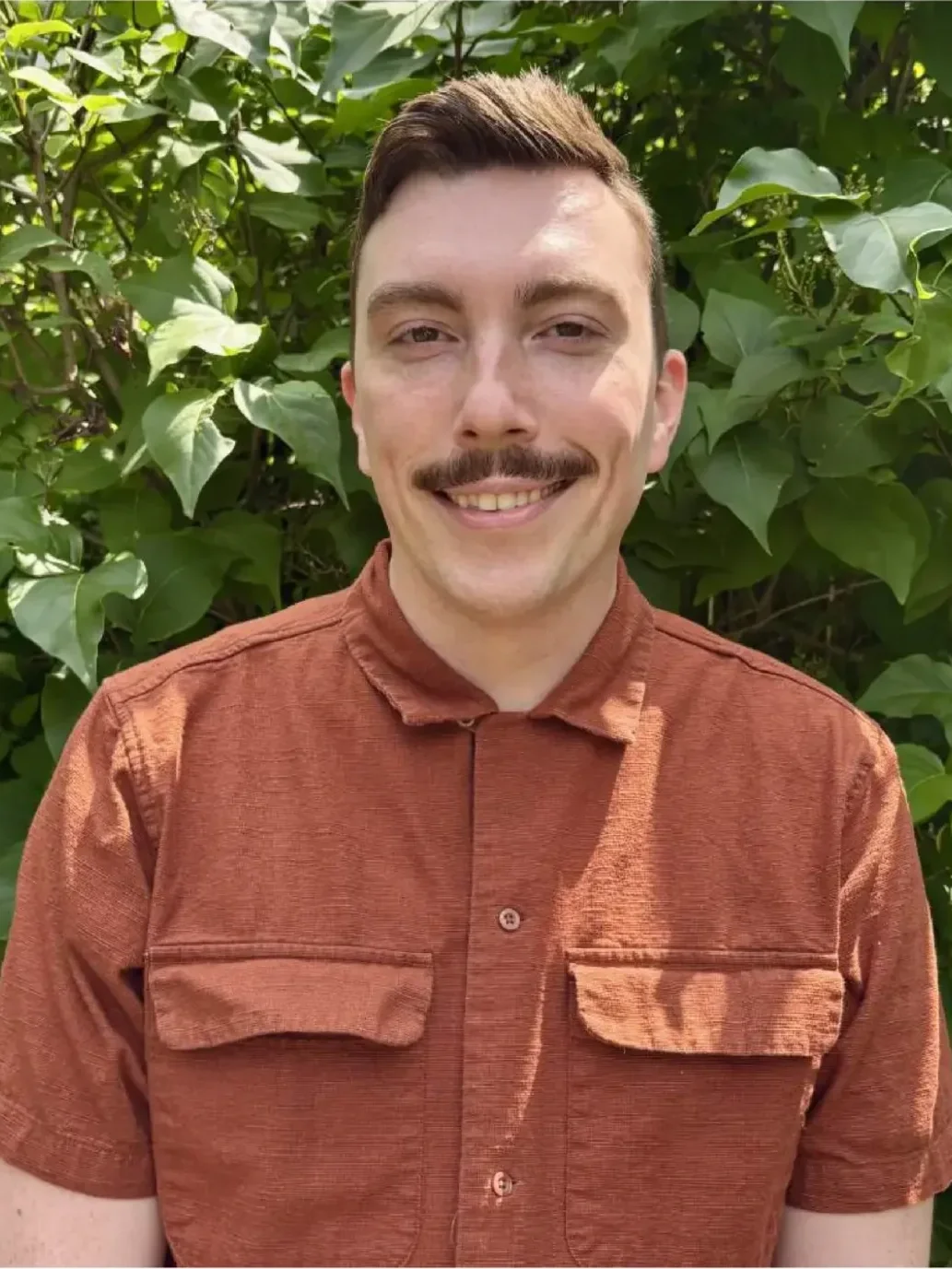
Austin Powell, PA-C

Dr. Akash Kumar
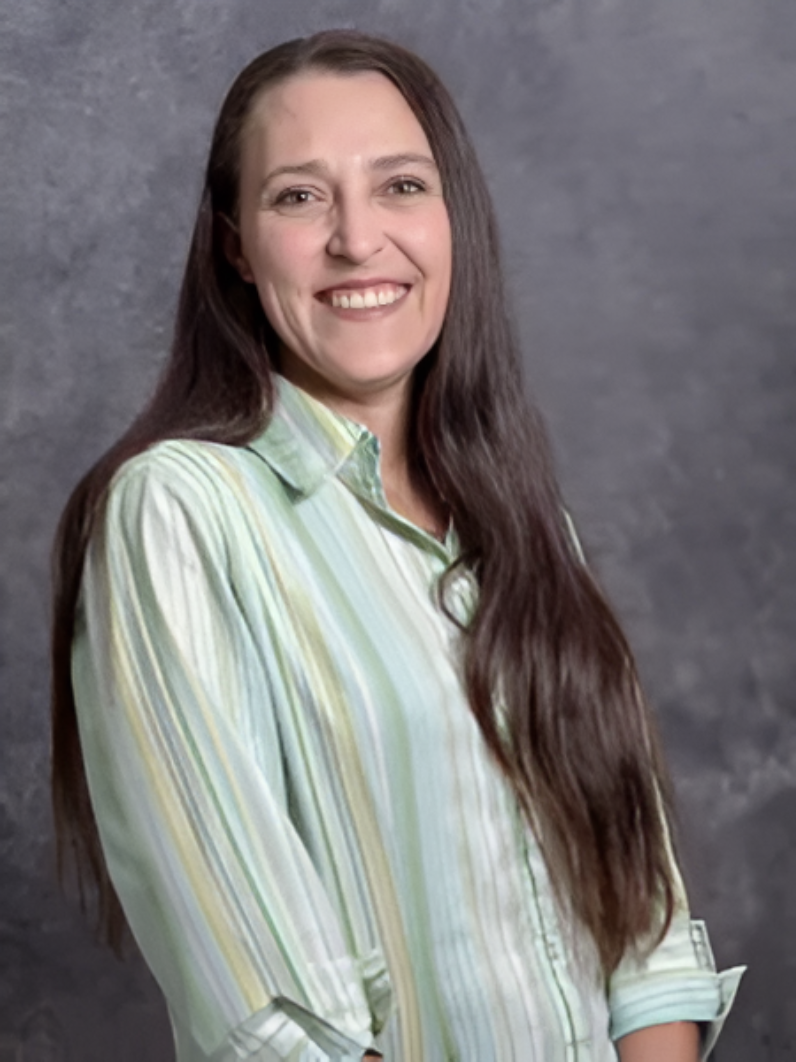
Erin Egan, LMSW
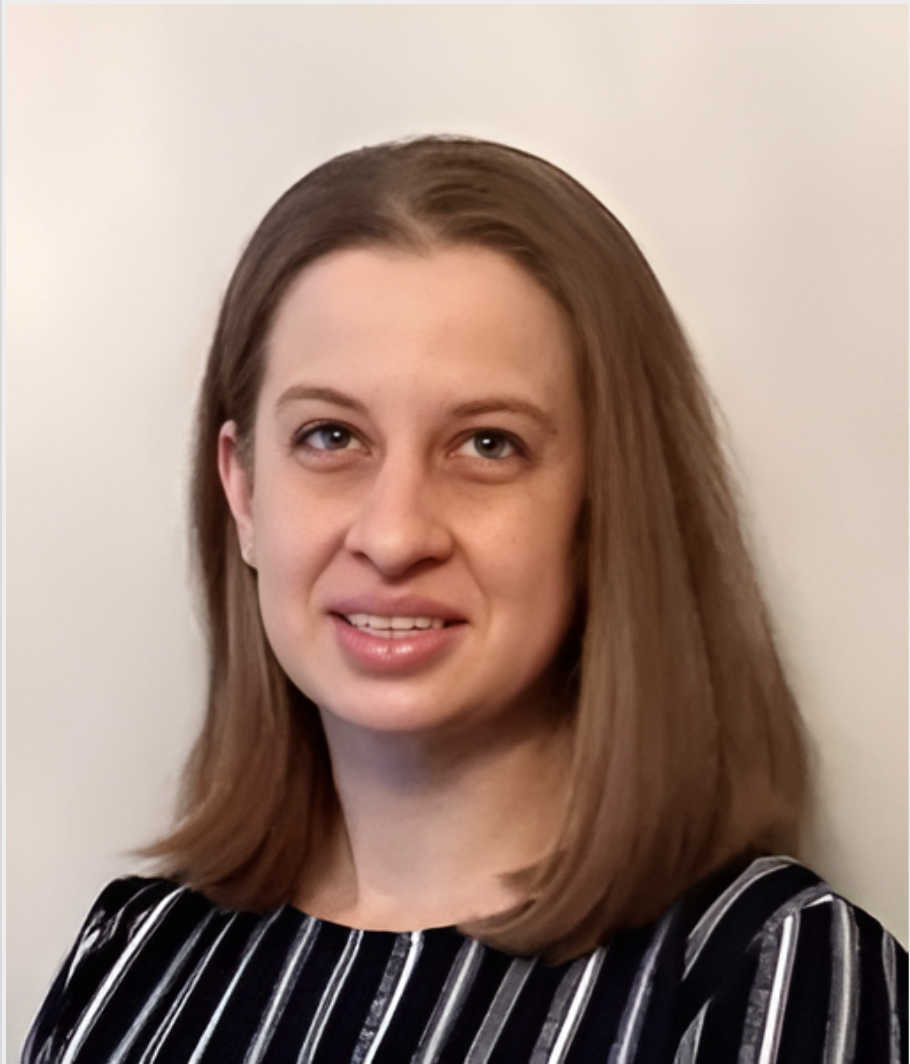
Sarah J. Kruger, LCSW
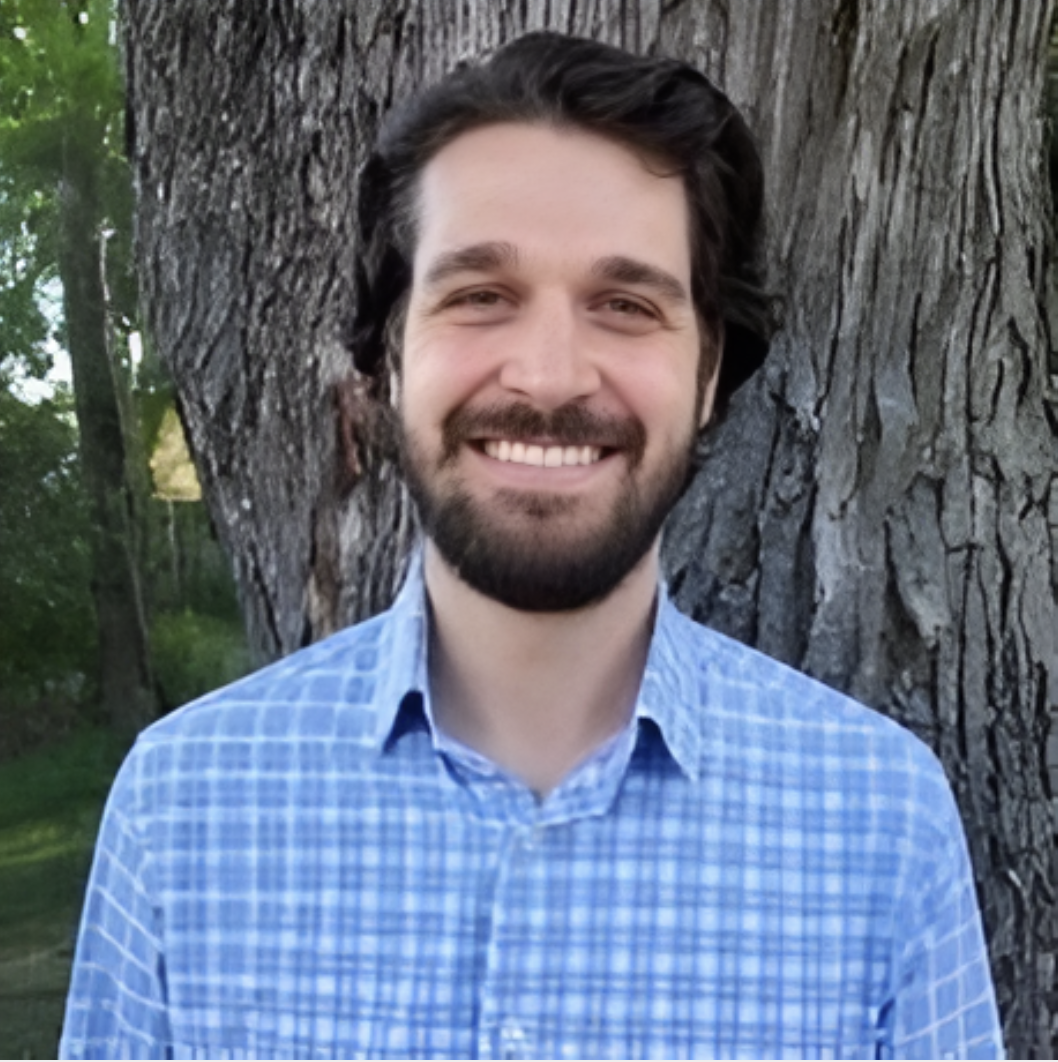
Dr. Aaron Sedlar
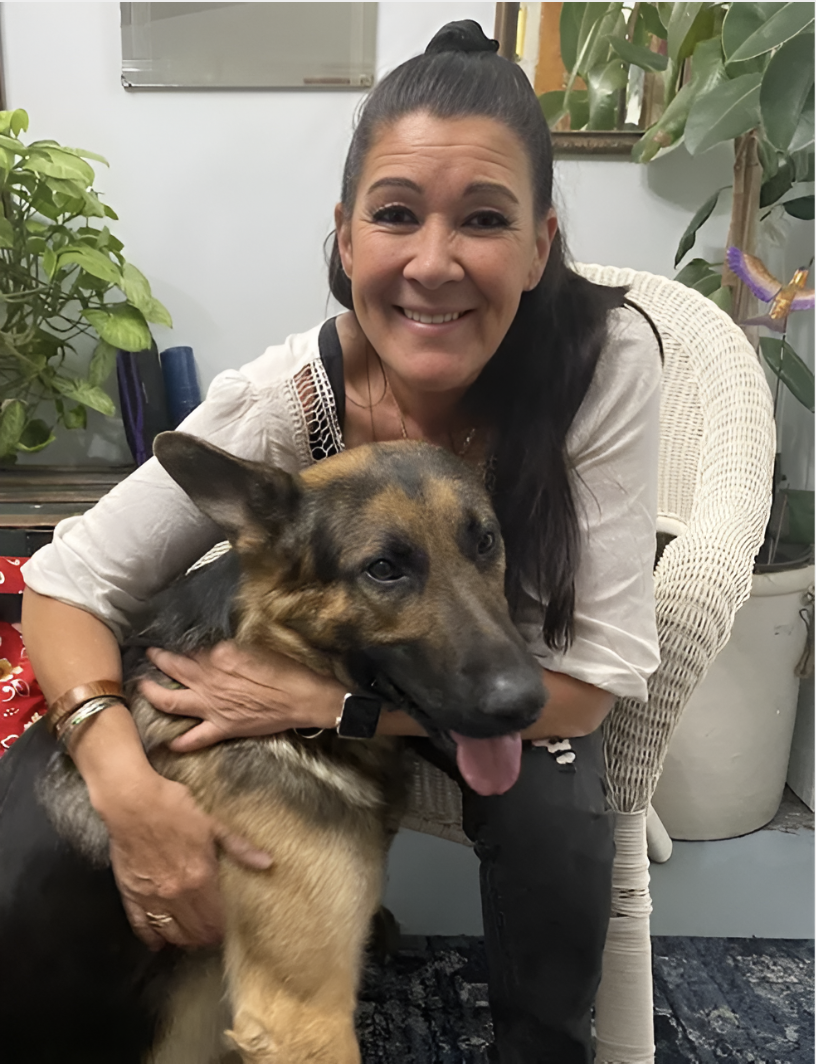
Pamela Aalto, LMSW
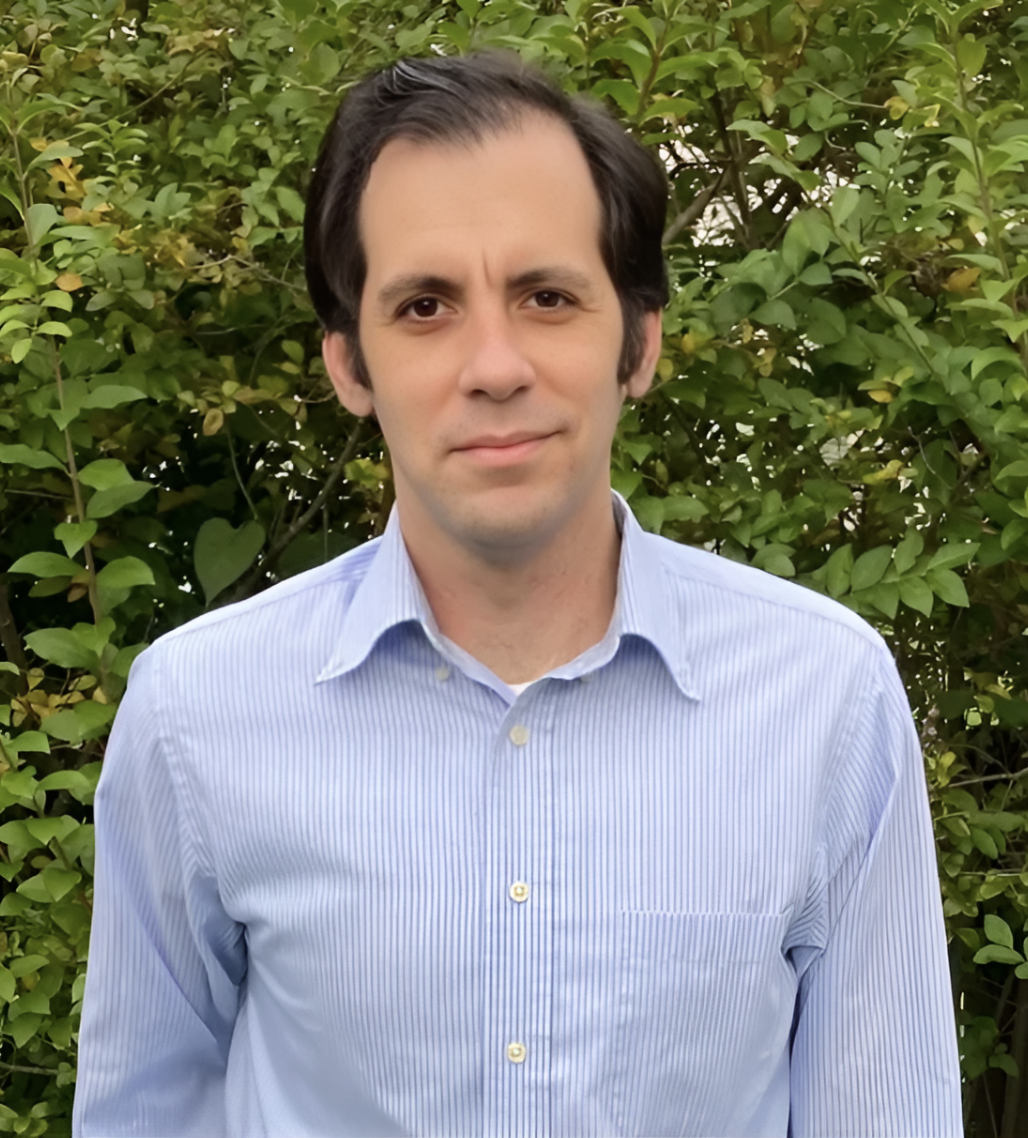
Benjamin Hadden, LLMSW
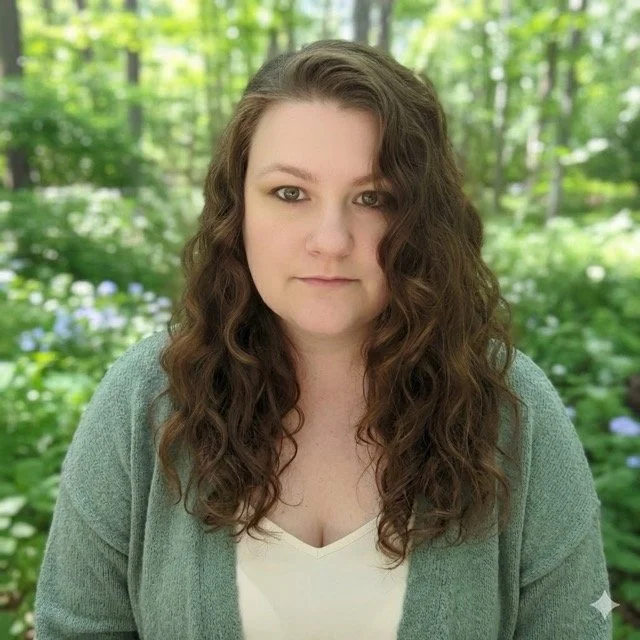
Kristen Daniels, LMSW
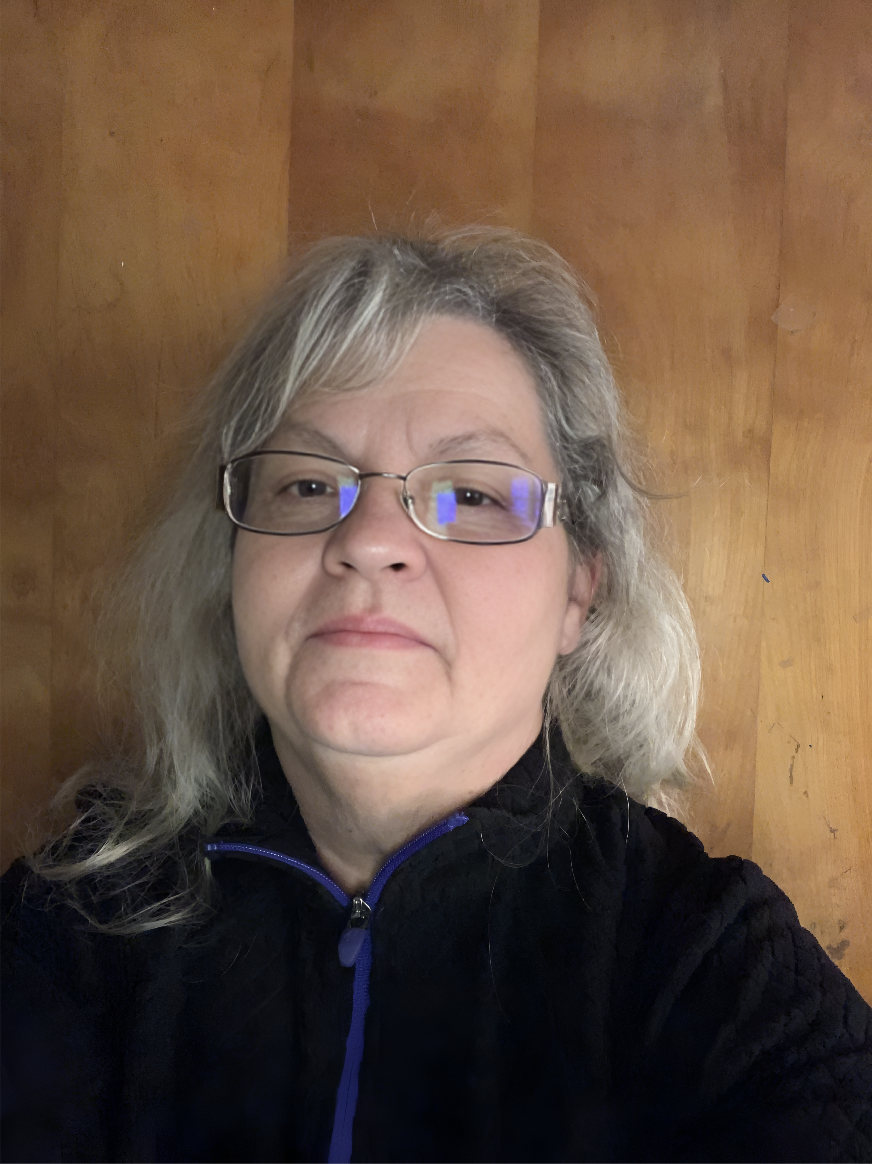
Mary Jameson, LMSW

Rachel Thompson, LLMSW
-
![Late-Diagnosed ADHD in LGBTQ+ Adults]()
Trauma, Therapy, and… Tetris?
How a Classic Video Game is Changing PTSD Treatment
-
![A person sitting on a hospital bed participating in a video call with a healthcare professional who is explaining medical images and ECG results during a telemedicine consultation.]()
Post-Traumatic Stress Disorder (PTSD)
A Deatiled Guide