
Depression Treatment
DEPRESSION TREATMENT IN MICHIGAN AND PENNSYLVANIA
Depression (Major Depressive Disorder and related depressive conditions) is characterized by persistent low mood or loss of interest in activities, lasting at least two weeks and interfering with daily functioning. It can occur as a single episode or recur over time.
Depression is not a personal weakness, a character flaw, or something that can be “snapped out of.” It is a medical and psychological condition influenced by biological, psychological, and social factors.
At our practice, we understand that depression looks different for every person. Our approach focuses on identifying underlying contributors, providing evidence-based treatment, and supporting long-term recovery.
Common Symptoms of Depression
Depression can affect emotional, cognitive, physical, and behavioral functioning. Symptoms may include:
Persistent sadness, emptiness, or hopelessness
Loss of interest or pleasure in previously enjoyable activities
Fatigue or low energy
Changes in sleep (insomnia or excessive sleeping)
Changes in appetite or weight
Difficulty concentrating or making decisions
Feelings of worthlessness, guilt, or self-criticism
Irritability or emotional numbness
Physical symptoms such as headaches, GI distress, or chronic pain
Thoughts of death or suicide
Not everyone experiences all symptoms, and severity can range from mild to severe.
Depression by the Numbers
Depression is common — and often underdiagnosed.
About 8%–10% of U.S. adults experience a major depressive episode in any given year.
Lifetime prevalence of depression is estimated at about 20% — meaning about 1 in 5 adults will experience a depressive episode at some point in their life.
Women are diagnosed with major depression at nearly twice the rate of men, though depression affects all genders.
Depression frequently co-occurs with:
Anxiety disorders
PTSD
ADHD
Chronic medical conditions
Many adults with depression never receive treatment.
These figures highlight how common depression is — and how important it is to identify and treat it appropriately.
Types of Depressive Disorders We Treat
We evaluate and treat:
Major Depressive Disorder (MDD)
Persistent Depressive Disorder (Dysthymia)
Atypical Depression
Seasonal Affective Disorder (SAD)
Depression related to medical conditions or hormonal changes
Depression with co-occurring anxiety, ADHD, trauma, or other conditions
Accurate diagnosis helps guide the most effective treatment approach.
Our Approach to Treating Depression
THERAPY AND PSYCHIATRIC CARE
Comprehensive assessment of symptoms and history
Thoughtful medication selection with close monitoring
Adjustments based on response, side effects, and goals
Collaboration with therapy and other providers
Depression treatment may include:
Cognitive Behavioral Therapy (CBT)
Trauma-informed therapy
Interpersonal therapy
Supportive and skills-based approaches
Therapy helps identify patterns, build coping strategies, and restore meaning and motivation.
WHOLE-PERSON CONSIDERATIONS
We also explore contributors such as:
Sleep and circadian rhythm
Hormonal changes
Chronic stress or burnout
Inflammation or medical factors
Trauma history
ADHD symptoms that mimic or overlap depression
Depression does not occur in isolation — and treatment shouldn’t either.
At a glance
What we treat: Depression and depression symptoms such as persistent sadness, low mood, loss of interest in activities, fatigue, changes in sleep or appetite, and feelings of worthlessness, lasting at least two weeks.
Who we help: Adults, college students, and patients with complex or treatment-resistant symptoms
Where we serve: Online across Michigan and Pennsylvania; in-person options in Ann Arbor and East Lansing
Treatment options: Psychiatric evaluation, medication management, therapy, and root-cause workups when appropriate
Insurance: Many major insurance plans accepted
Availability: Same-week new patient appointments are available
What makes us different: Evidence-based psychiatric care combined with a root-cause approach that considers medical, nutritional, hormonal, inflammatory, sleep, and lifestyle contributors
Our Depression-Experienced Providers
Depression treatment requires clinical expertise, nuance, and empathy.
At Ann Arbor Psych, our providers have extensive experience treating adults with depression — including complex, chronic, or treatment-resistant cases.
Our clinicians bring:
Experience with evidence-based psychiatric and therapeutic care
Comfort treating co-occurring anxiety, PTSD, ADHD, and trauma
A non-judgmental, collaborative approach
Attention to patterns, triggers, and context — not just symptoms
You will be treated as a whole person, not a checklist.
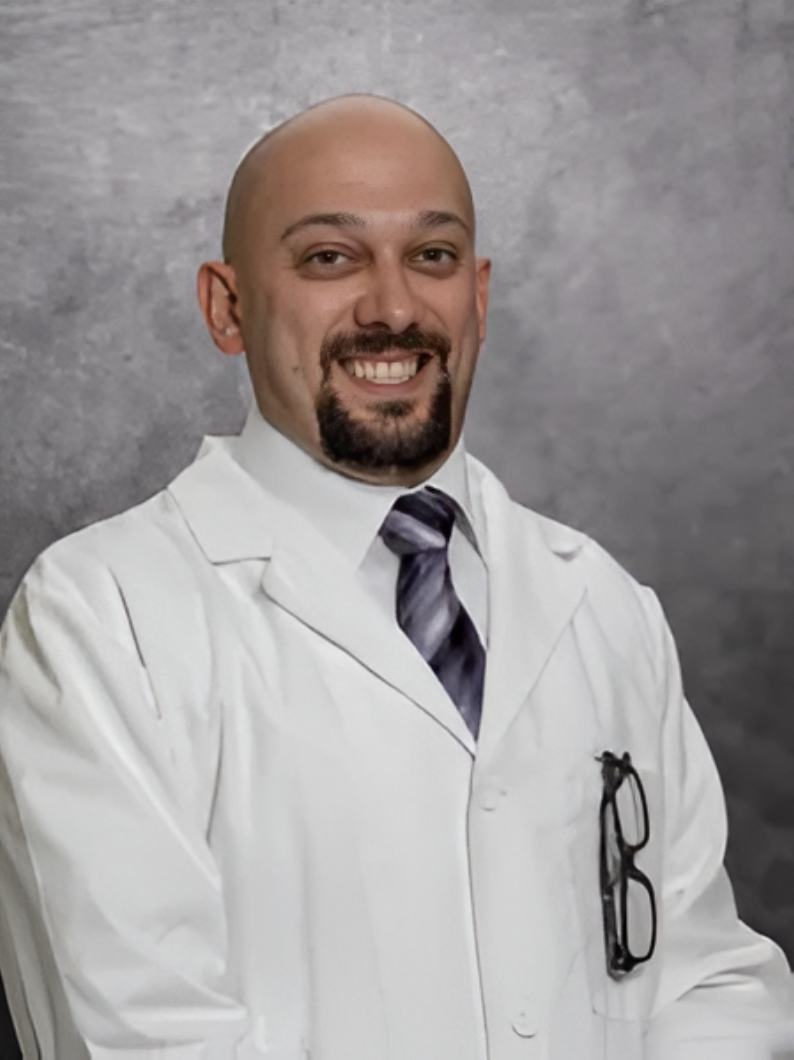
Meet Brian Phillips, NP

Meet Bruce Burkeen, PA-C

Meet Roopa Kline, PA-C

Angela Braun, PA-C

Anthonia Umelogu, NP

Austin Powell, PA-C

Dr. Akash Kumar

Erin Egan, LMSW

Sarah J. Kruger, LCSW
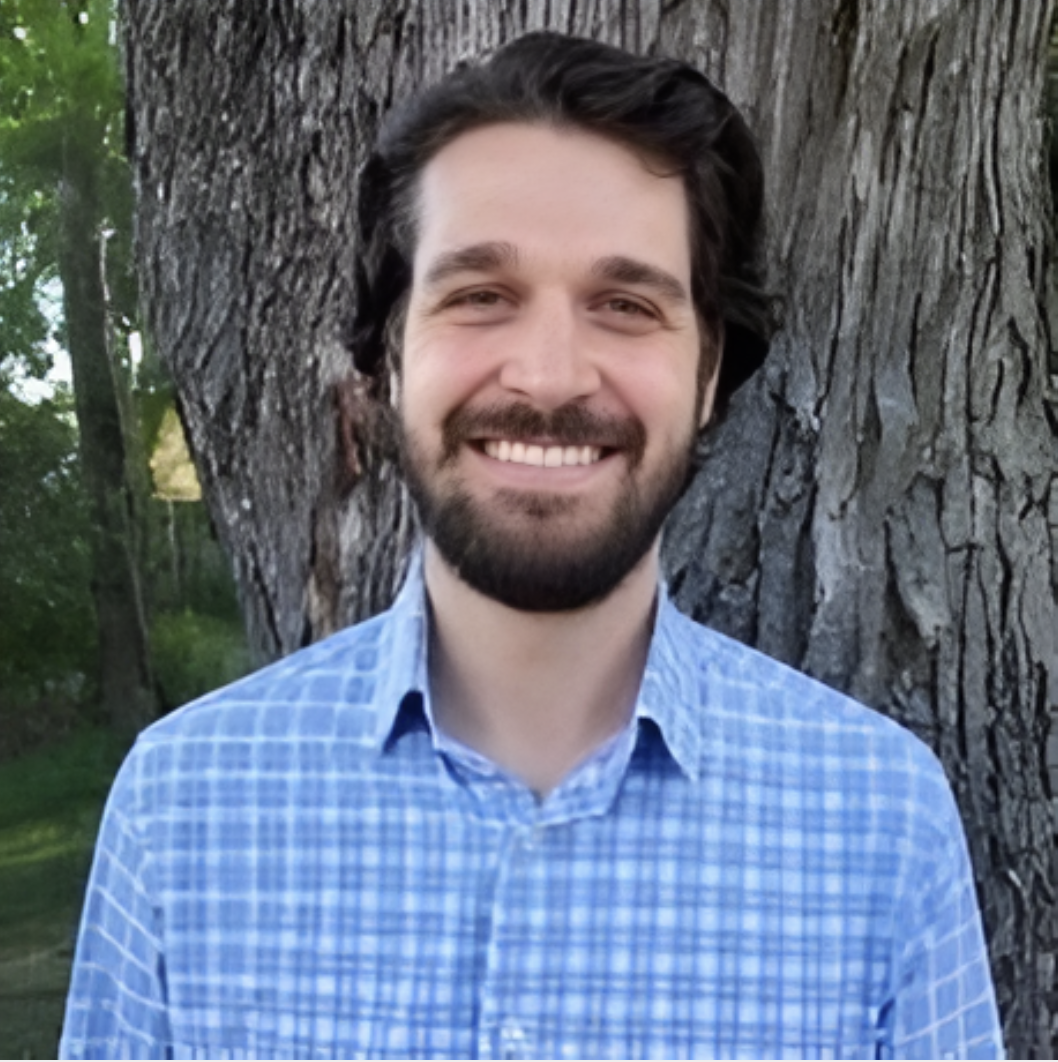
Dr. Aaron Sedlar
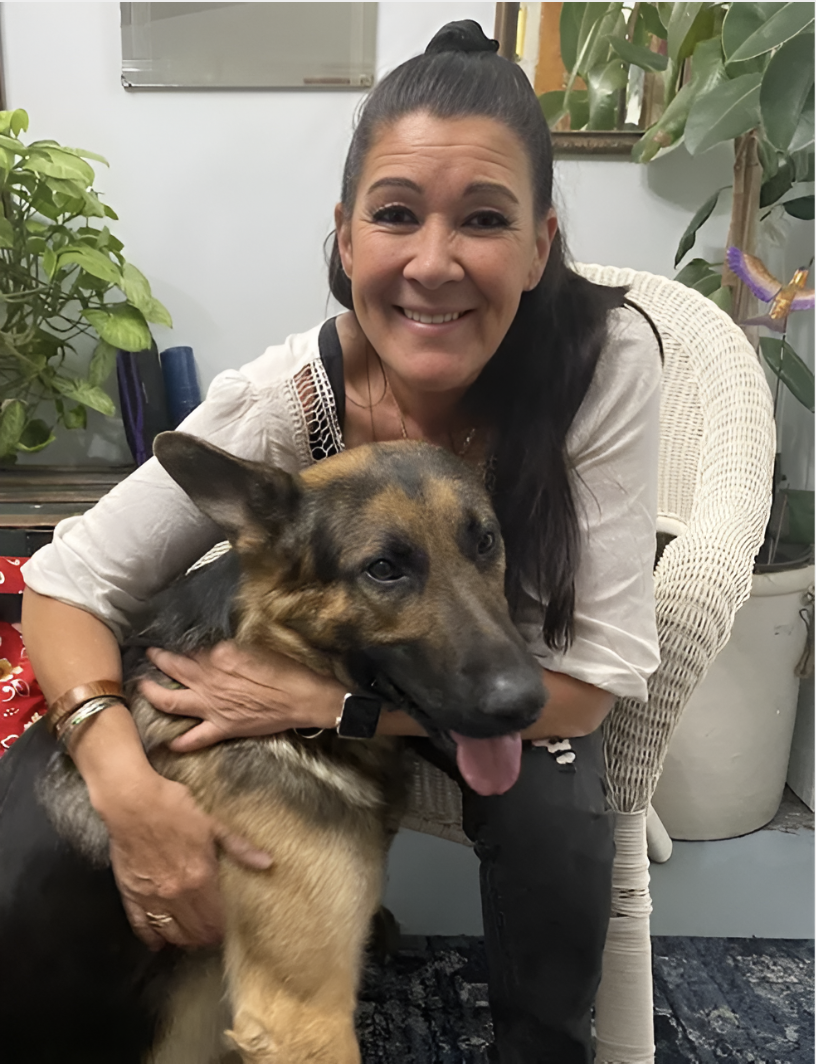
Pamela Aalto, LMSW

Benjamin Hadden, LLMSW
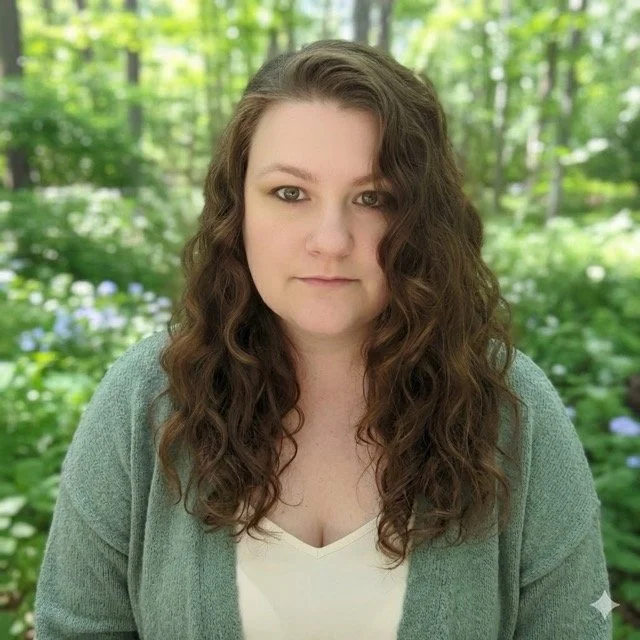
Kristen Daniels, LMSW
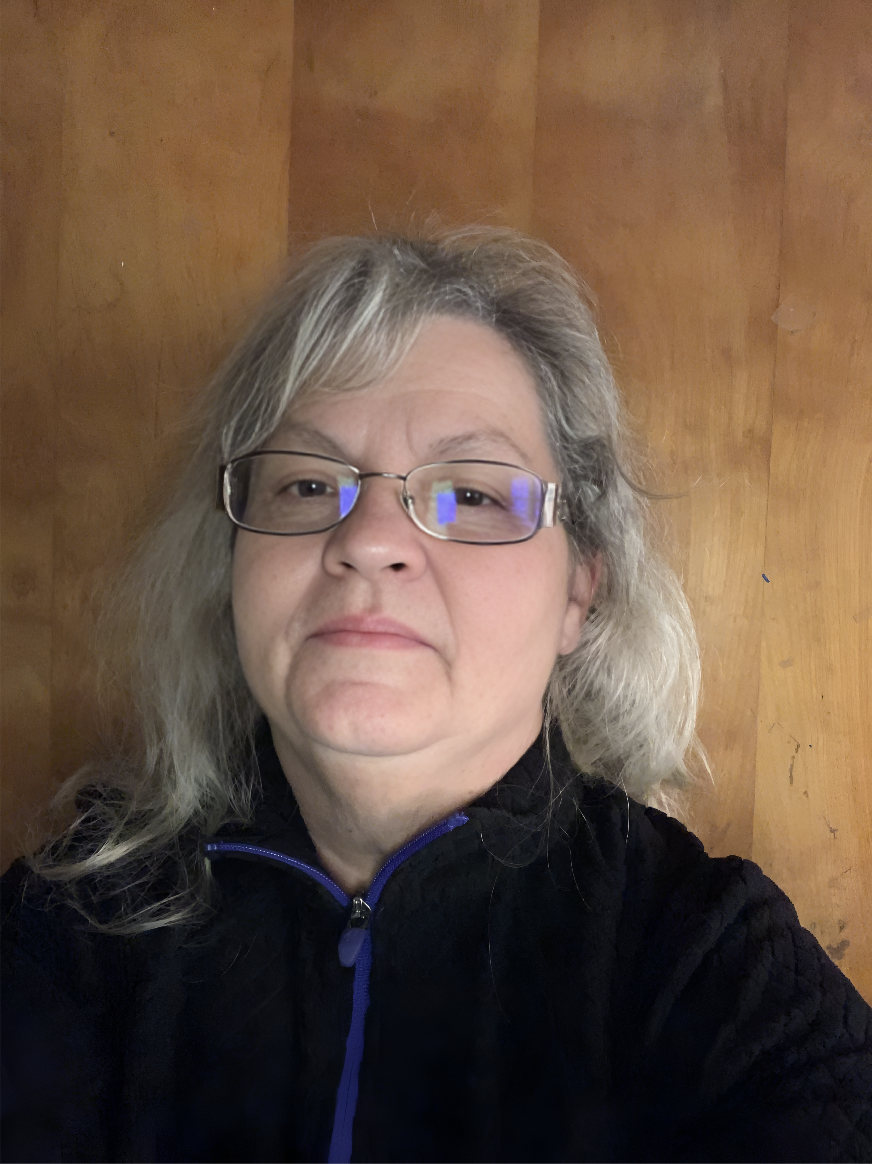
Mary Jameson, LMSW
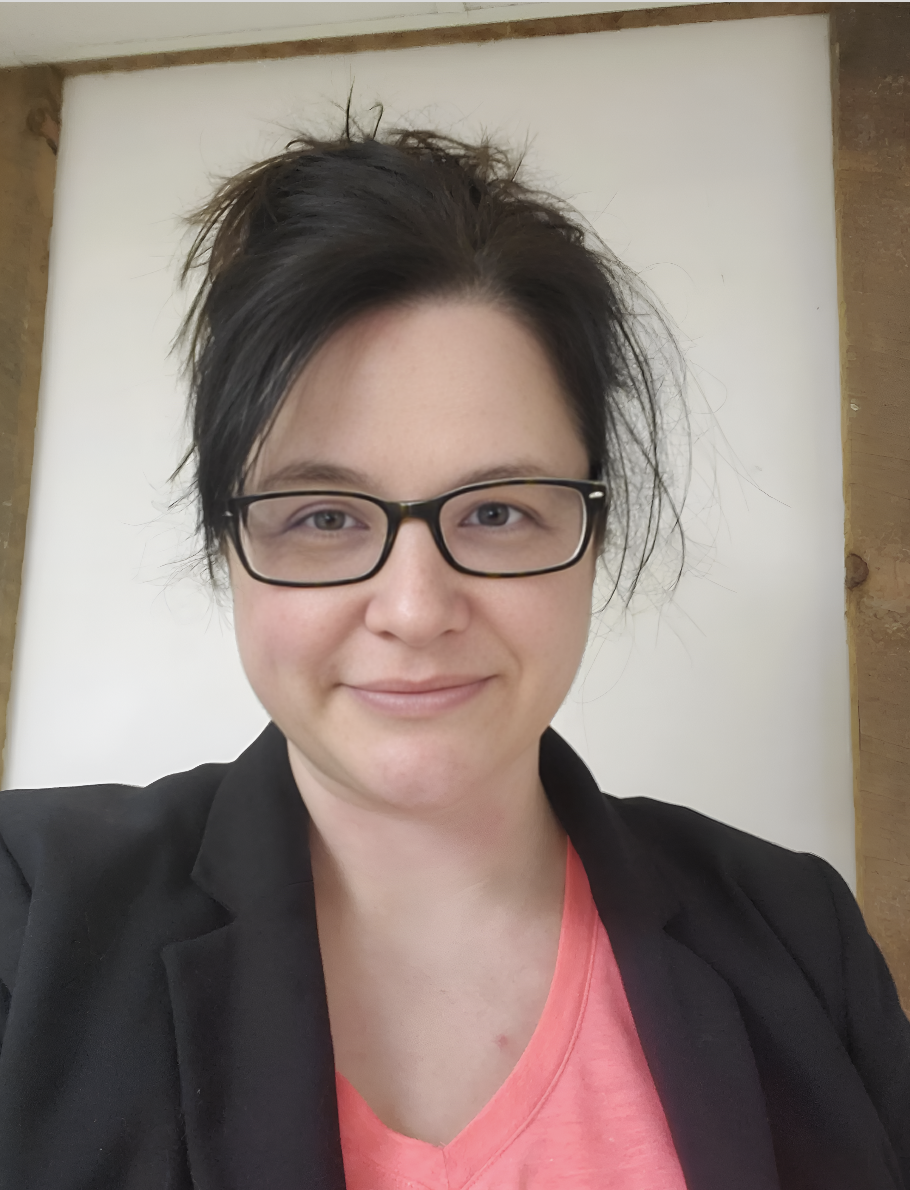
Rachel Thompson, LLMSW
-
![Late-Diagnosed ADHD in LGBTQ+ Adults]()
Depression in Winter
Why Depression Gets Worse in the Winter (Even If You Don’t Have SAD)
-
![A person sitting on a hospital bed participating in a video call with a healthcare professional who is explaining medical images and ECG results during a telemedicine consultation.]()
Depression
A Detailed Guide

Clinically Reviewed By: