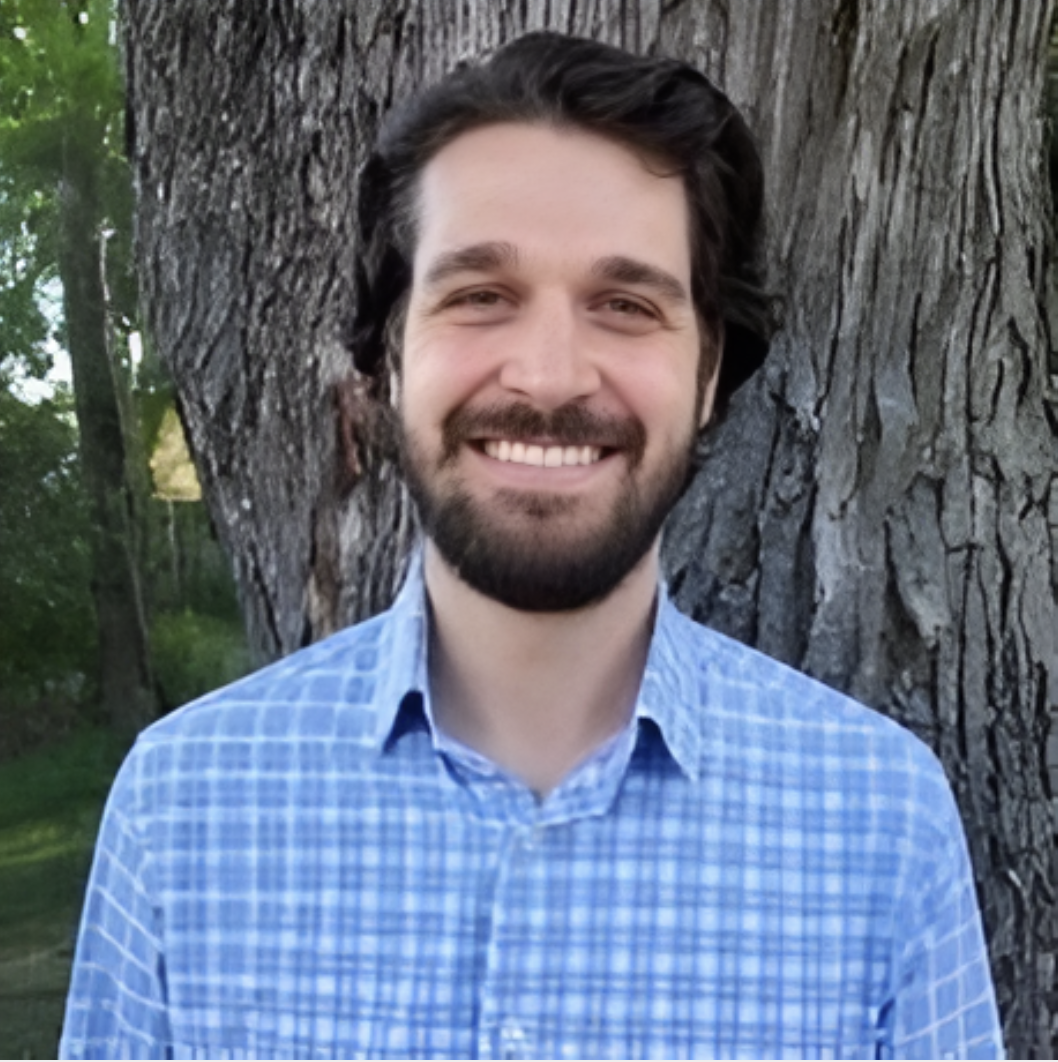
Obsessive-Compulsive Disorder (OCD) Care
SPECIALIZED, EVIDENCE-BASED TREATMENT FOR OCD IN MICHIGAN AND PENNSYLVANIA
Obsessive-Compulsive Disorder (OCD) is not about being tidy, perfectionistic, or controlling. It is a brain-based anxiety disorder characterized by intrusive thoughts and compulsive behaviors that feel difficult or impossible to ignore. OCD can be exhausting, isolating, and deeply misunderstood — even by those experiencing it.
At Ann Arbor Psych, we provide specialized OCD care for adults age 18 and older, offering talk therapy and psychiatric services through telehealth.
Understanding OCD
OCD is defined by two core components:
Obsessions — intrusive, unwanted thoughts, images, or urges that cause distress
Compulsions — mental or physical behaviors performed to reduce that distress
Relief from compulsions is temporary, which reinforces the cycle.
OCD can involve fear, doubt, disgust, responsibility, or moral distress — and often targets what matters most to the individual.
OCD by the Numbers
OCD is common and frequently underdiagnosed.
Approximately 2–3% of adults experience OCD during their lifetime
Many individuals experience symptoms for years before receiving an accurate diagnosis
OCD is often misdiagnosed as:
Generalized anxiety disorder
Panic disorder
Depression
Onset often occurs in adolescence or early adulthood but may remain untreated well into adulthood
Misunderstanding OCD can delay access to effective, specialized care.
-
No. OCD is not a personality trait or a preference for order. It involves intrusive, unwanted thoughts and compulsive behaviors aimed at reducing distress. Many people with OCD do not care about cleanliness or organization at all.
-
Intrusive thoughts are unwanted thoughts, images, or urges that enter the mind and cause distress. They often go against a person’s values and do not reflect intent, desire, or character. The distress comes from the meaning OCD assigns to these thoughts — not from the thoughts themselves.
-
Compulsions are behaviors or mental acts performed to reduce anxiety or prevent a feared outcome. These can be visible (checking, cleaning) or internal (mental reviewing, reassurance-seeking, neutralizing). Relief is temporary, which keeps the OCD cycle going.
-
Yes. Many adults experience primarily mental compulsions, which makes OCD harder to recognize. Because these behaviors happen internally, OCD is often missed or misdiagnosed.
-
Reassurance may briefly reduce anxiety, but it reinforces the OCD cycle by teaching the brain that certainty is required to feel safe. Effective OCD treatment focuses on tolerating uncertainty rather than eliminating it.
How OCD Often Shows Up

Our Approach to OCD Care
THERAPY AND PSYCHIATRIC CARE
Our approach emphasizes:
Accurate diagnosis and subtype recognition
Evidence-based OCD treatment
Exposure and Response Prevention (ERP)
Avoidance of reassurance-based therapy
Thoughtful medication management when appropriate
Collaboration, consent, and pacing
Treatment is focused on breaking the OCD cycle, not accommodating it.

WHO WE WORK WITH
We support adults (18+) including:
Individuals with OCD or suspected OCD
Adults with intrusive thoughts who fear disclosure
Individuals with treatment-resistant anxiety symptoms
Adults with OCD and co-occurring depression, ADHD, or trauma
High-functioning adults whose OCD is hidden
All care is provided via telehealth.

Our OCD-Experienced Providers
OCD treatment requires specialized training and clinical experience.
At Ann Arbor Psych, our providers have experience working with adults with OCD, including less visible and stigmatized presentations. Our clinicians understand how easily OCD can be misunderstood — and how harmful reassurance-based approaches can be.
Our team offers:
Experience with multiple OCD subtypes
Training in evidence-based OCD treatment
Care that avoids minimizing or moralizing symptoms
A respectful, collaborative, non-judgmental approach
You will not be asked to justify or explain your thoughts.
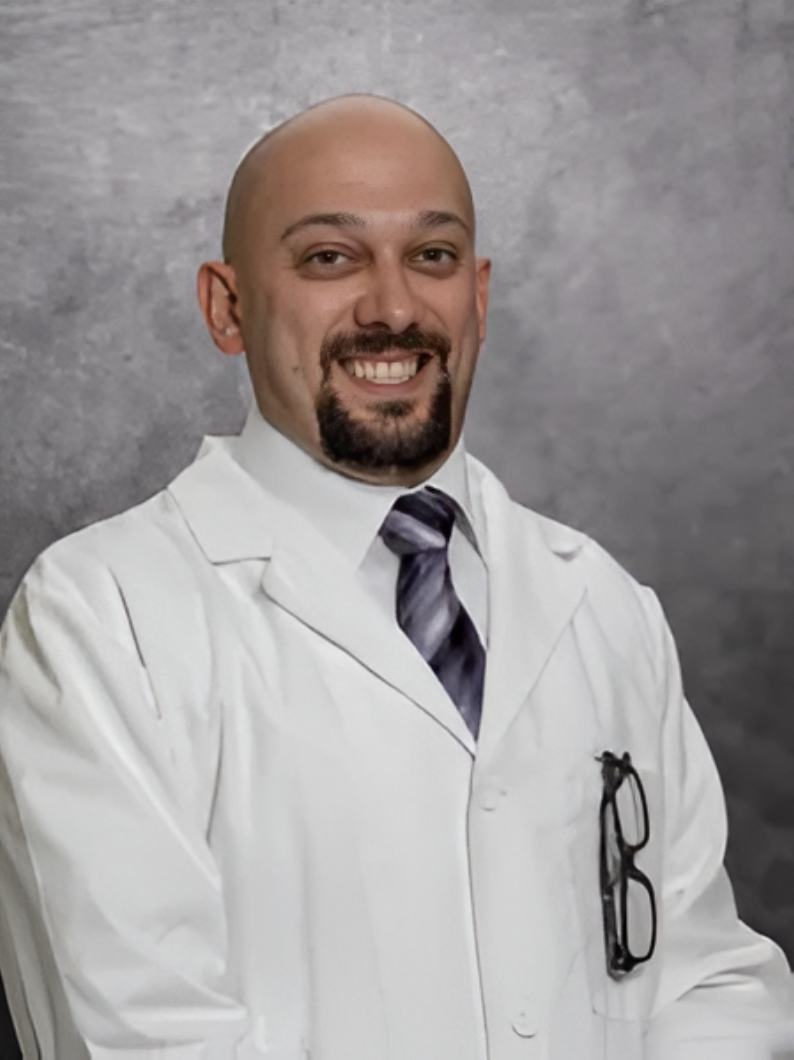
Meet Brian Phillips, NP
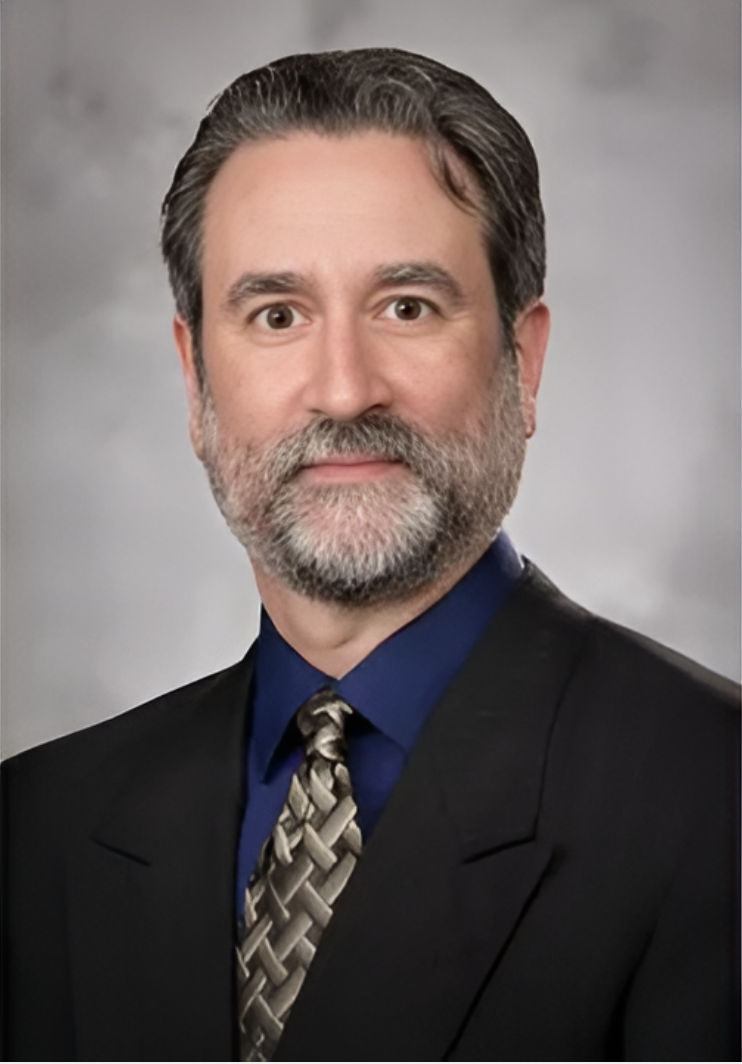
Meet Bruce Burkeen, PA-C

Meet Roopa Kline, PA-C

Angela Braun, PA-C

Anthonia Umelogu, NP

Austin Powell, PA-C

Dr. Akash Kumar