ANXIETY TREATMENT IN MICHIGAN AND PENNSYLVANIA
Generalized Anxiety Disorder Care
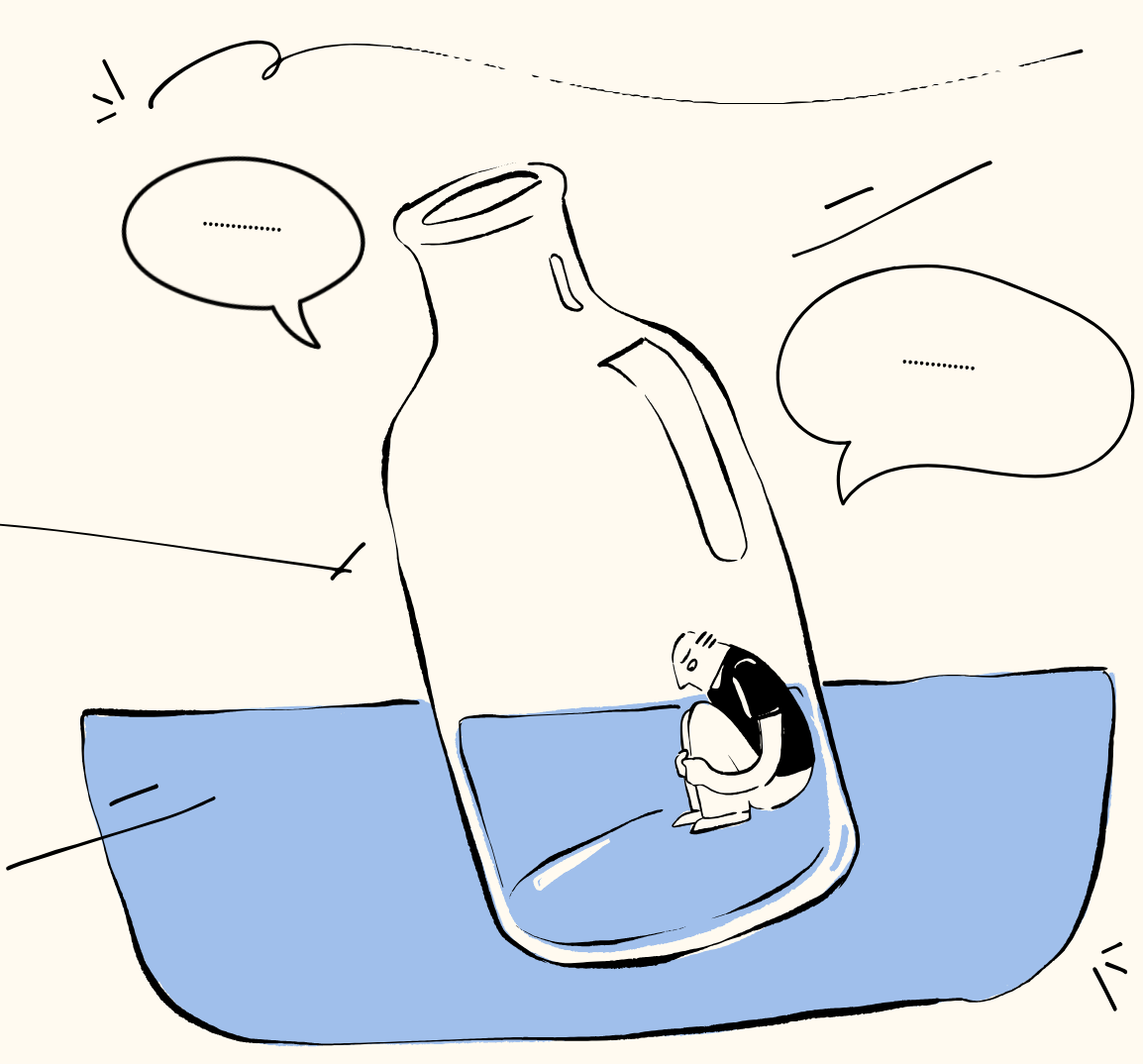
Anxiety disorders are not simply “overthinking” or a lack of resilience. They are conditions of nervous system dysregulation that affect how the brain perceives threat, uncertainty, and control. When untreated, anxiety can quietly shape decisions, relationships, health, and quality of life.
At Ann Arbor Psych, we provide specialized care for anxiety disorders in adults age 18 and older, offering talk therapy and psychiatric services through telehealth.
Understanding Anxiety Disorders
Anxiety exists on a spectrum, and clinical anxiety differs from everyday stress.
Anxiety disorders may include:
Generalized Anxiety Disorder (GAD)
Panic Disorder
Social Anxiety Disorder
Phobias
Health or illness anxiety
Anxiety related to trauma or chronic stress
Many adults live with anxiety for years before seeking care — often because symptoms are normalized or misunderstood.
Anxiety Disorders by the Numbers
Anxiety disorders are the most common mental health conditions in adults.
Nearly 30% of U.S. adults will experience an anxiety disorder at some point in their lives
Anxiety disorders frequently begin in adolescence or early adulthood but often persist untreated
Women are diagnosed at higher rates than men, though anxiety affects all genders
Anxiety commonly co-occurs with:
Depression
ADHD
Trauma-related conditions
Sleep disorders
Despite how common anxiety is, many adults delay treatment due to stigma or self-blame.
-
Anxiety in adults is not always obvious or dramatic. Many people appear high-functioning while internally feeling overwhelmed, tense, or constantly on edge. Anxiety often operates quietly in the background, shaping thoughts, decisions, and behavior.
-
No. While worry is common, anxiety can also show up physically or emotionally. Many adults experience muscle tension, GI symptoms, fatigue, irritability, or difficulty relaxing — even when they don’t feel consciously anxious.
-
When external demands slow down, the nervous system often has space to surface what it has been holding all day. For many adults, anxiety intensifies at night due to reduced distraction, accumulated stress, or difficulty transitioning out of “alert mode.”
-
Yes. Anxiety frequently affects the body. Common symptoms include headaches, chest tightness, shortness of breath, nausea, dizziness, jaw clenching, and sleep disruption. These symptoms are real — not imagined — and reflect nervous system activation.
-
Avoidance is a nervous system response, not a failure of insight or willpower. Anxiety prioritizes perceived safety over logic, which is why reassurance alone rarely resolves it. Treatment focuses on helping the nervous system recalibrate, not just changing thoughts.
How Anxiety Shows Up

Our Approach to Anxiety Care
THERAPY AND PSYCHIATRIC CARE
Our approach emphasizes:
Careful diagnostic evaluation
Identifying contributing factors (trauma, ADHD, medical issues, sleep, burnout)
Evidence-based therapy modalities
Thoughtful medication management when appropriate
Collaborative treatment planning
We do not treat anxiety as a character flaw or simply a thought problem.
WHO WE WORK WITH
We support adults (18+) including:
Individuals with chronic or long-standing anxiety
Adults experiencing panic or phobias
High-functioning professionals with hidden anxiety
Adults with anxiety and co-occurring depression, ADHD, or trauma
Individuals seeking therapy, medication, or both
All care is provided via telehealth.

Our Anxiety-Experienced Providers
Anxiety disorders require clinical experience and nuance.
At Ann Arbor Psych, our providers have extensive experience treating anxiety disorders in adults. Our clinicians understand the ways anxiety intersects with trauma, neurodivergence, identity, and life stress — and how easily it can be minimized or misunderstood.
Our team offers:
Experience treating a broad range of anxiety disorders
Training in evidence-based and trauma-informed care
Sensitivity to co-occurring conditions
A non-judgmental, collaborative approach
You will be met with understanding — not dismissal.

Meet Brian Phillips, NP
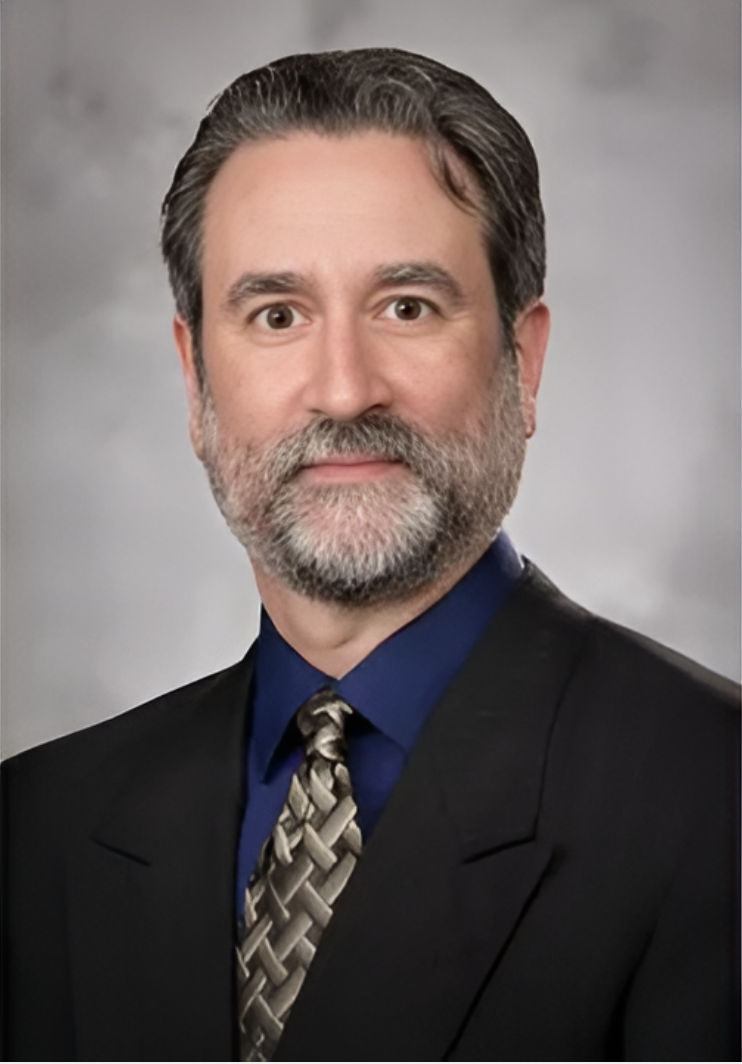
Meet Bruce Burkeen, PA-C

Meet Roopa Kline, PA-C

Angela Braun, PA-C

Anthonia Umelogu, NP

Austin Powell, PA-C

Dr. Akash Kumar

Erin Egan, LMSW

Sarah J. Kruger, LCSW
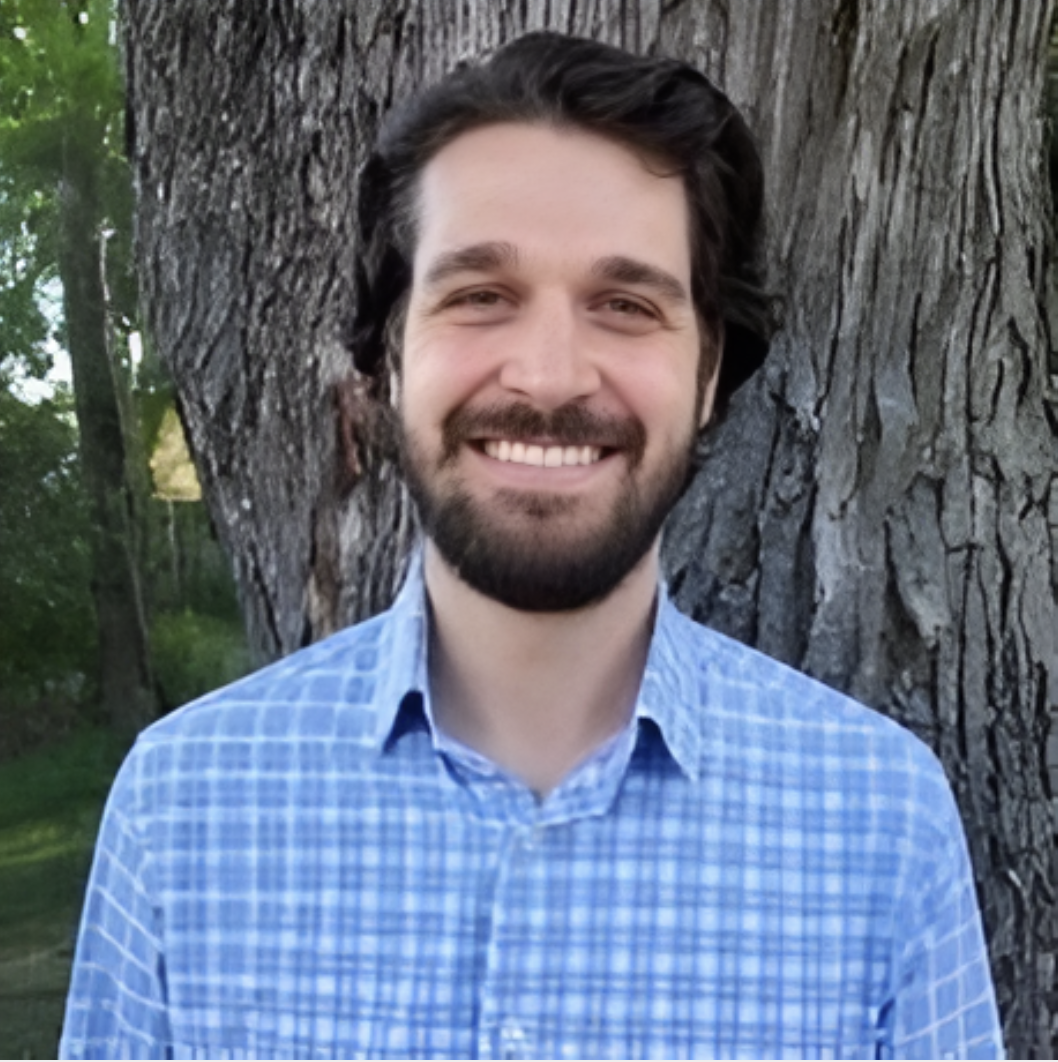
Dr. Aaron Sedlar

Pamela Aalto, LMSW

Benjamin Hadden, LLMSW
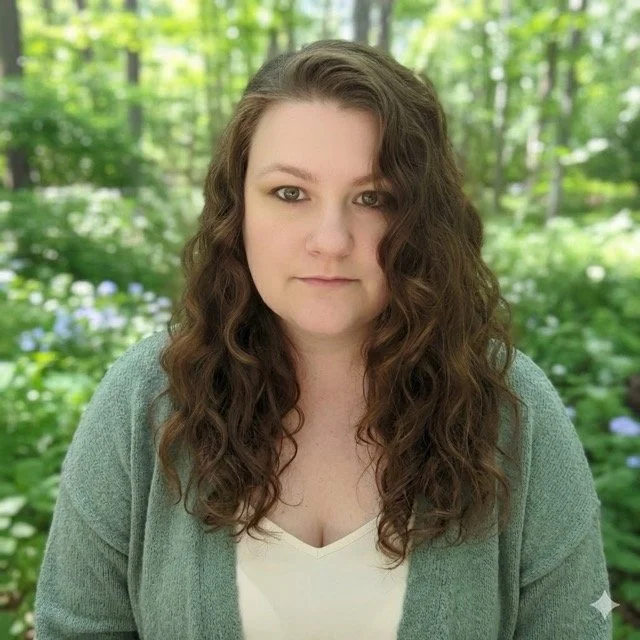
Kristen Daniels, LMSW
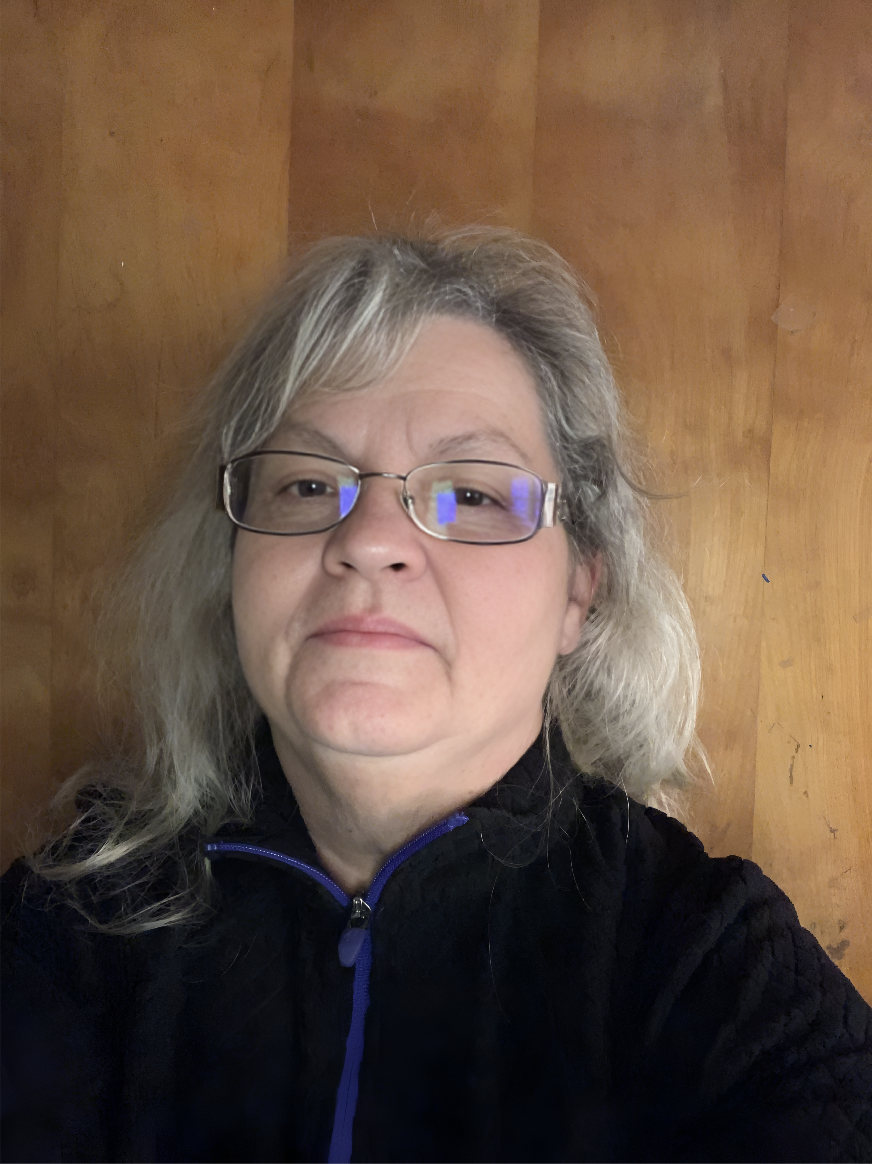
Mary Jameson, LMSW

Rachel Thompson, LLMSW
-
![Late-Diagnosed ADHD in LGBTQ+ Adults]()
Understanding the 4 Attachment Styles
Why You Keep Having the Same Fight
-
![A person sitting on a hospital bed participating in a video call with a healthcare professional who is explaining medical images and ECG results during a telemedicine consultation.]()
Generalized Anxiety Disorder
A Detailed Guide