Phobia Treatment for Adults
EFFECTIVE, EVIDENCE-BASED CARE FOR SPECIFIC FEARS IN MICHIGAN AND PENNSYLVANIA
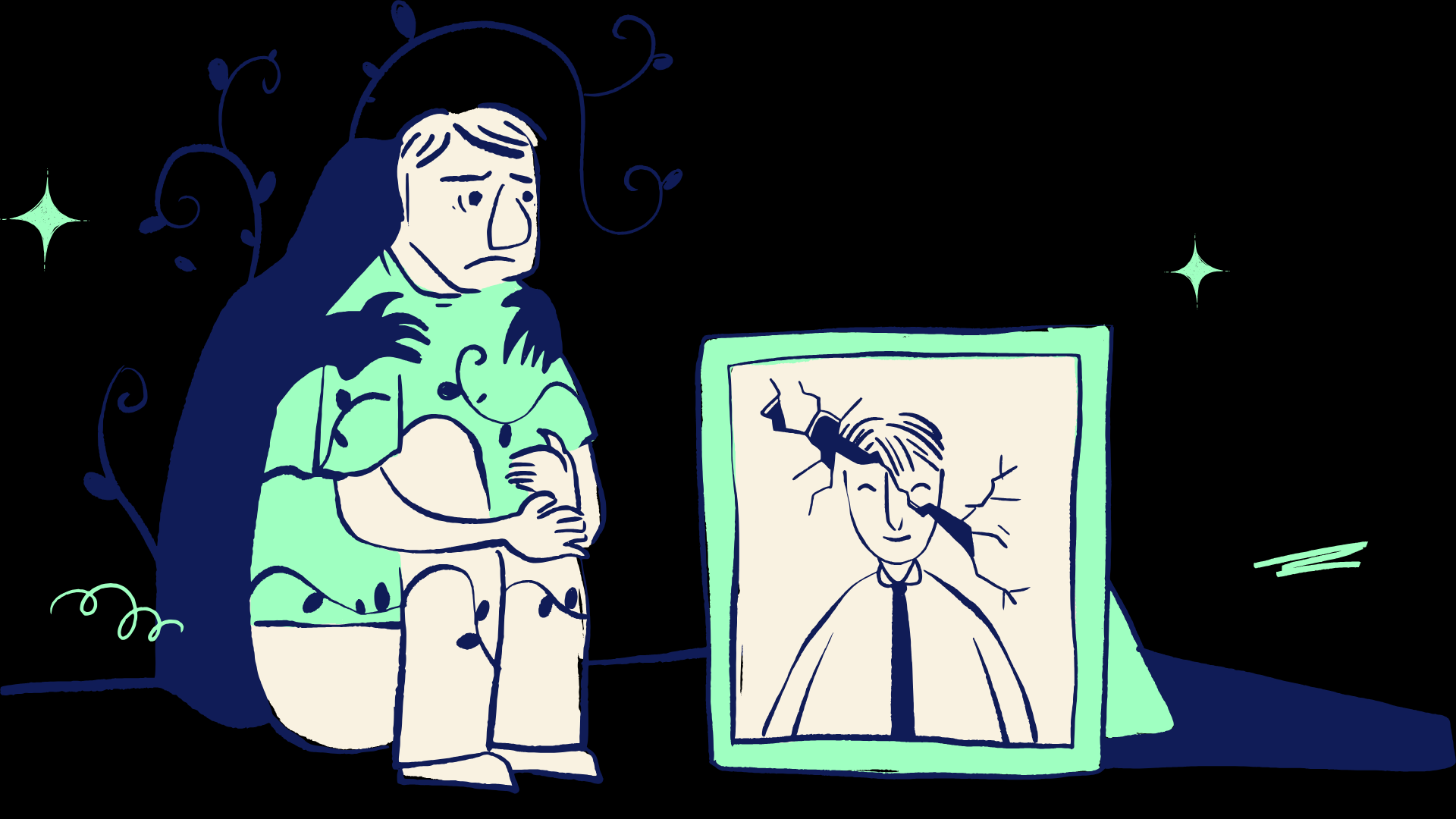
Phobias are not simple fears or preferences. They are intense, automatic fear responses driven by the brain’s threat system. When a phobia is triggered, the reaction is immediate and often overwhelming — even when a person knows the fear is disproportionate.
At Ann Arbor Psych, we provide specialized treatment for phobias in adults age 18 and older, offering talk therapy and psychiatric support through telehealth.
Understanding Phobias
A phobia involves a strong fear response to a specific object, situation, or experience that leads to distress and avoidance.
Common phobia categories include:
Specific phobias (heights, flying, needles, animals, blood)
Situational phobias (driving, elevators, enclosed spaces)
Medical or procedure-related phobias
Emetophobia (fear of vomiting)
Fear of choking or swallowing
Phobias related to panic or loss of control
Phobias often persist even when the feared situation is rarely encountered — because avoidance keeps the fear alive.
Phobias by the Numbers
Phobias are among the most common anxiety disorders.
Approximately 10–12% of adults experience a specific phobia at some point
Many phobias begin in childhood or adolescence but remain untreated into adulthood
Women are diagnosed at higher rates than men
Phobias frequently co-occur with:
Panic disorder
Generalized anxiety disorder
PTSD
Despite being highly treatable, phobias are often minimized or dismissed.
-
Ophidiophobia — fear of snakes
Cynophobia — fear of dogs
Ailurophobia — fear of cats
Ornithophobia — fear of birds
Entomophobia — fear of insects
-
Acrophobia — fear of heights
Astraphobia — fear of thunder and lightning
Hydrophobia — fear of water
Nyctophobia — fear of darkness
Thalassophobia — fear of the sea or large bodies of water
Pyrophobia — fear of fire
-
Claustrophobia — fear of confined spaces
Agoraphobia — fear of open or crowded spaces
Aviophobia — fear of flying
Elevatophobia — fear of elevators
Driving phobia — fear of driving or traffic
-
Trypanophobia — fear of needles or injections
Hemophobia — fear of blood
Nosophobia — fear of illness or contracting disease
Emetophobia — fear of vomiting
Dentophobia — fear of dentists or dental procedures
-
Social anxiety disorder / social phobia — fear of social evaluation
Anthropophobia — fear of people or human company
Glossophobia — fear of public speaking
Stage fright — fear of performing in front of others
-
Phobophobia — fear of developing a phobia
Chirophobia — fear of hands
Chronophobia — fear of time passing
Coulrophobia — fear of clowns
Trypophobia — fear of holes or patterns
Common Phobias in Adults

Our Approach to Phobia Treatment
THERAPY AND PSYCHIATRIC CARE
Our approach emphasizes:
Careful assessment of the fear response
Understanding how avoidance reinforces symptoms
Evidence-based exposure strategies
Gradual, collaborative pacing
Skills for managing anxiety during exposure
Exposure-based therapy
Learning to tolerate physical anxiety sensations
Treatment is never rushed or forced.

WHO WE WORK WITH
We support adults (18+) including:
Individuals with long-standing or severe phobias
Adults whose phobias limit work, travel, or healthcare access
Individuals with medical or procedure-related fears
Adults with phobias and co-occurring anxiety or panic
High-functioning adults whose fears are hidden
All services are provided via telehealth.

Our Phobia-Experienced Providers
Treating phobias requires experience with exposure-based care and anxiety disorders.
At Ann Arbor Psych, our providers have extensive experience working with adults with phobias. Our clinicians understand how fear is learned — and how it can be unlearned safely.
Our team offers:
Experience treating a wide range of phobias
Training in evidence-based exposure therapies
A patient, collaborative approach
Care that avoids minimizing or forcing
You will never be pushed faster than you are ready.

Meet Brian Phillips, NP
Meet Bruce Burkeen, PA-C

Meet Roopa Kline, PA-C

Angela Braun, PA-C

Anthonia Umelogu, NP

Austin Powell, PA-C

Dr. Akash Kumar

Erin Egan, LMSW

Sarah J. Kruger, LCSW

Dr. Aaron Sedlar
Pamela Aalto, LMSW

Benjamin Hadden, LLMSW

Kristen Daniels, LMSW

Mary Jameson, LMSW