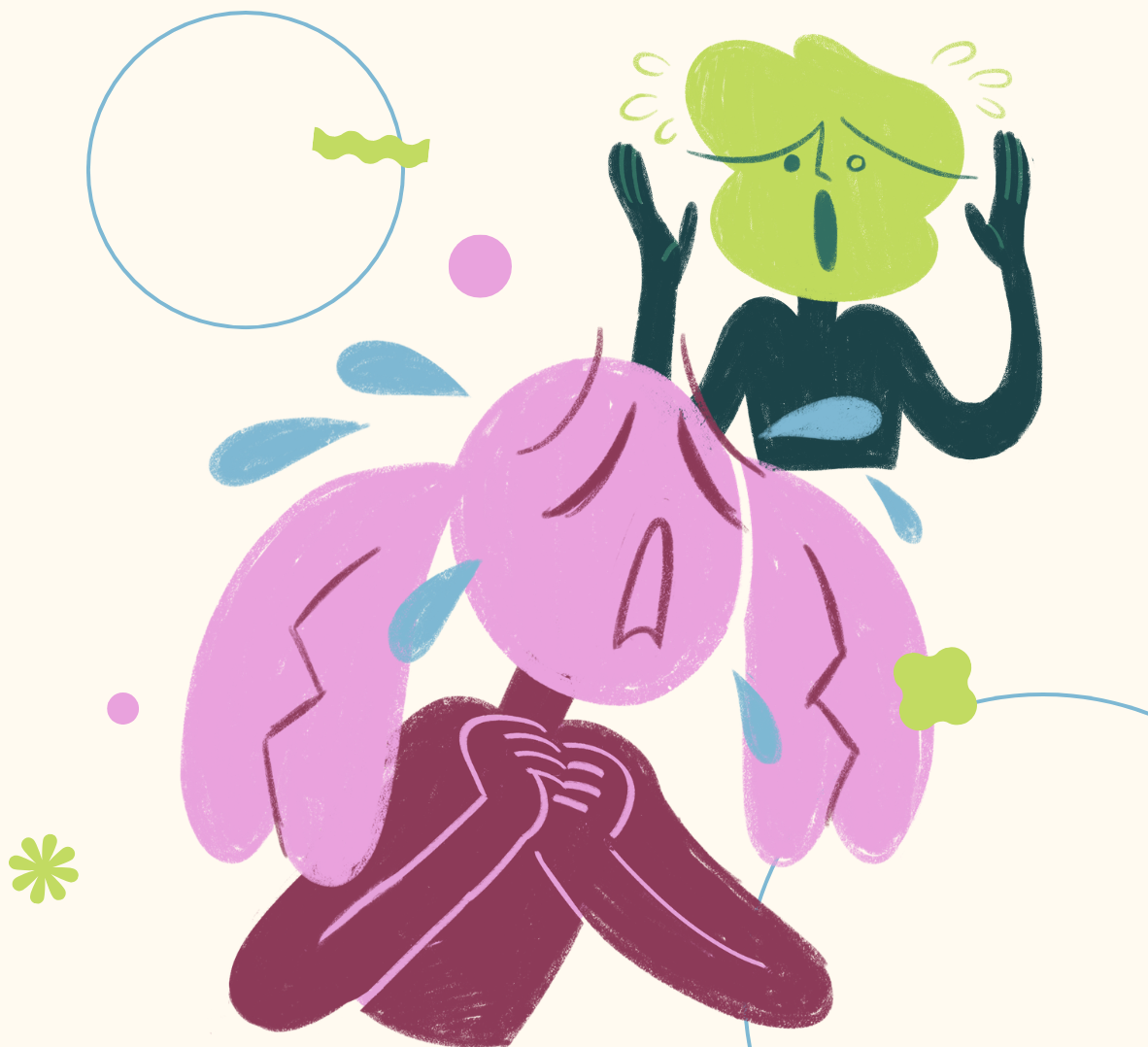
Mood Swings
SPECIALIZED, EVIDENCE-BASED TREATMENT FOR MOOD SWINGS IN MICHIGAN AND PENNSYLVANIA
Mood swings are rapid or intense changes in emotional state, where a person can shift from feeling happy or calm to sad, irritable, or angry within a short period of time. While mild fluctuations are common in everyday life, severe or unpredictable mood swings may signal an underlying health condition or mental health disorder. Understanding triggers and recognizing patterns is important for managing emotional ups and downs.
At Ann Arbor Psych, we provide comprehensive evaluation and treatment for adults experiencing mood instability, helping identify what is driving the changes and how to restore emotional balance.
Causes and Risk Factors
Mood swings can happen for many reasons, including:
Stress, major life changes, or sleep deprivation
Hormonal changes (puberty, menstruation, pregnancy, menopause
Poor nutrition or missed meals
Medication side effects
Substance use, including alcohol or drugs
Medical conditions affecting the brain or hormones
While occasional mood changes are normal, frequent or disruptive mood swings often require further evaluation.
Key Statistics on Mood Swings
Menstrual Cycle: At least 61% of women experience, premenstrual mood swings or anxiety, with 64% reporting that these symptoms interfere with their daily life.
General Population: Roughly 13.9% of adults experience significant mood instability, with higher rates in younger populations.
Mental Health Conditions: 40%–60% of individuals with, depression, anxiety, or PTSD report, mood instability. Studies suggest that up to 40–60% of adults with ADHD experience significant emotional regulation difficulties
Bipolar Disorder: Approximately 1 in 200 people (0.5%) worldwide live with, bipolar disorder, which is characterized by, extreme mood swings.
Seasonal Changes: 41% of Americans report that their mood declines during the winter.
Age-Related Trends: Mood instability is highest in, young adults (16–24) and gradually declines with age.
Gender Differences: Females report higher rates of mood disorders (18.3%) compared to males (10.5%) in, adolescent studies.
-
Periods of extreme emotional highs and lows
-
Persistent sadness with episodes of low mood
-
Chronic mood instability, milder than bipolar disorder
-
Intense and variable emotional reactions
-
Can involve erratic or reactive emotional patterns
-
Can involve erratic or reactive emotional patterns
Related Conditions
Certain mental health or physical conditions are commonly linked to mood swings, such as:
Some neurological or endocrine disorders, like thyroid problems, Cushing's disease, or brain injuries, may also cause mood instability.
Our Approach to Mood Swings
SYMPTOMS AND ASSESSMENT
Key indicators of mood swings include:
Rapid shifts in emotion (e.g., happy to sad or angry)
Difficulty concentrating
Irritability, impatience, or impulsiveness
Changes in appetite, sleep, or energy
Mixed or overlapping symptoms (depression, anxiety, anger)
Trouble identifying specific triggers
Assessment usually involves tracking mood changes, medical evaluation, and discussion with a healthcare professional to rule out other causes.
TREATMENT OPTIONS
Managing mood swings may involve:
Lifestyle changes: Better sleep, nutrition, exercise, and stress reduction
Psychotherapy: Cognitive-behavioral therapy, dialectical behavior therapy, or counseling
Medication: Mood stabilizers, antidepressants, or other appropriate treatments for underlying conditions
Education and support: Learning coping strategies and accessing support networks
The right approach depends on what’s causing the mood swings and any related diagnosis.
Our Mood-Disorder Experienced Providers
Mood instability requires clinical nuance and experience.
Our providers have extensive experience helping adults understand and manage mood changes, including those related to depression, anxiety, ADHD, trauma, and bipolar spectrum conditions.
Our team offers:
Careful diagnostic evaluation
Evidence-based psychiatric treatment
Therapy focused on emotional regulation and resilience
A collaborative, non-judgmental approach
We aim to help patients regain stability, confidence, and emotional balance.

Meet Brian Phillips, NP
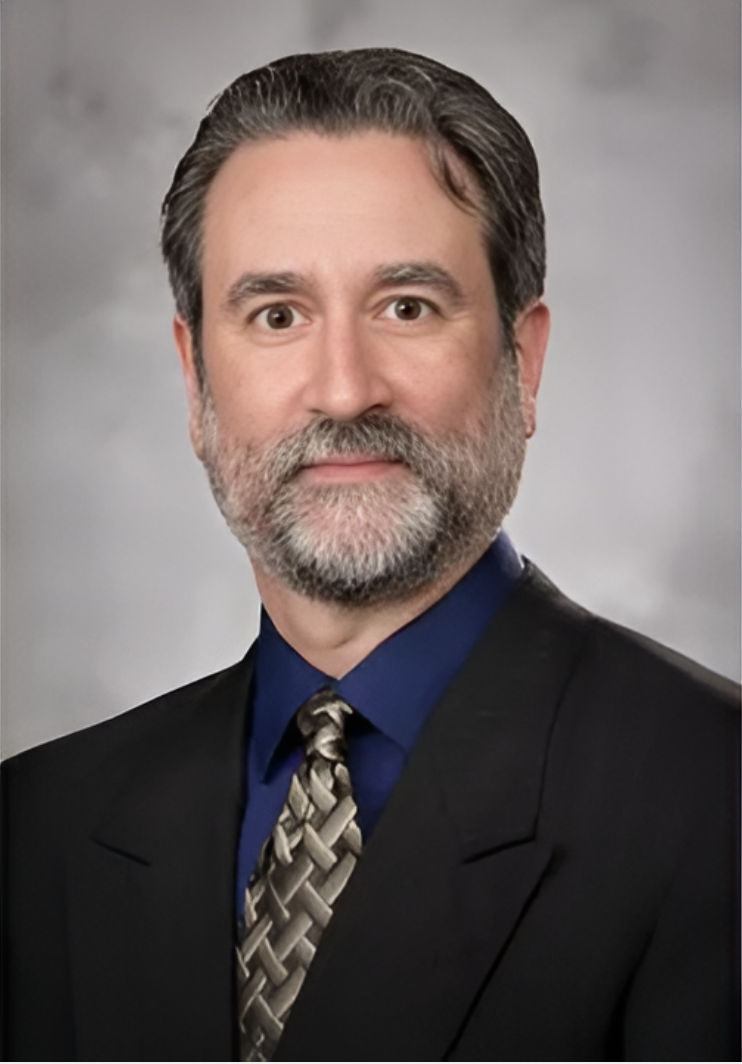
Meet Bruce Burkeen, PA-C

Meet Roopa Kline, PA-C

Angela Braun, PA-C

Anthonia Umelogu, NP

Austin Powell, PA-C

Dr. Akash Kumar

Erin Egan, LMSW

Sarah J. Kruger, LCSW

Dr. Aaron Sedlar

Pamela Aalto, LMSW

Benjamin Hadden, LLMSW

Kristen Daniels, LMSW

Mary Jameson, LMSW