EVIDENCE-BASED, AFFIRMING CARE FOR ATTENTION, FOCUS AND EXECUTIVE FUNCTIONING CHALLENGES

ADHD Care for Adults
ADHD is not a failure of discipline or motivation. It is a neurodevelopmental condition that affects how the brain regulates attention, organization, emotion, and energy. When left unrecognized or untreated, ADHD can quietly shape academic performance, work life, relationships, and self-esteem.
At Ann Arbor Psych, we provide comprehensive ADHD care through talk therapy and psychiatric services, supporting patients across the lifespan — including those diagnosed later in life.
ADHD By The Numbers
ADHD is far more common — and more often missed — than many people realize.
6–7% of U.S. adults meet criteria for ADHD
Over 60% of children with ADHD continue to experience symptoms in adulthood
Women and AFAB individuals are significantly more likely to be diagnosed later, or misdiagnosed with anxiety or depression first
Adults with ADHD have higher rates of:
Anxiety and depressive disorders
Academic and occupational burnout
Sleep disturbances
Emotional dysregulation
Late diagnosis is common — especially among high-achieving individuals who learned to compensate through overworking, perfectionism, or masking.

How ADHD Often Shows Up
ADHD does not look the same in everyone. Symptoms may include:
Difficulty sustaining attention or completing tasks
Chronic procrastination or avoidance
Disorganization and time blindness
Emotional reactivity or rejection sensitivity
Trouble starting tasks despite wanting to
Feeling “capable but stuck”
Burnout from overcompensating
Many adults come to care after years of being told they are anxious, lazy, or not trying hard enough — when the real issue was untreated ADHD.
ADHD is most often overlooked when symptoms don’t match outdated stereotypes of hyperactivity.
It is commonly underrecognized in:
Women and AFAB individuals
High-achieving students and professionals
Adults with trauma histories
LGBTQ+ individuals
People with co-occurring anxiety or mood disorders
Without proper assessment, ADHD symptoms are often mislabeled as personality traits or moral failings — delaying effective treatment.
Why ADHD Is Frequently Missed

Our Approach to ADHD Care
THERAPY AND PSYCHIATRIC CARE
Our ADHD care focuses on:
Thoughtful diagnostic evaluation
Identifying co-occurring conditions (anxiety, depression, trauma, sleep issues)
Evidence-based medication management when appropriate
Skills-based and supportive therapy
Reducing shame and rebuilding trust in one’s abilities
Treatment is collaborative, paced, and individualized — not rushed or one-size-fits-all.

WHO WE WORK WITH
Individuals newly diagnosed with ADHD
Adults diagnosed later in life
College-aged adults (18+) navigating academic demands
Professionals experiencing burnout or performance strain
Adults with ADHD and co-occurring anxiety, depression, or trauma
Neurodivergent adults seeking affirming care

Our ADHD-Experienced Providers
At Ann Arbor Psych, our providers have extensive experience working with adults with ADHD, including those diagnosed later in life. Our clinicians understand how ADHD intersects with trauma history, gender, identity, and life stage.
Our team offers:
Experience diagnosing and treating adult ADHD (18+)
Expertise differentiating ADHD from anxiety, depression, and trauma
Familiarity with ADHD presentation in women, LGBTQ+ adults, and high-achievers
A non-shaming, neurodivergent-affirming approach
You will not be asked to justify your struggles. Care is collaborative, thoughtful, and respectful.

Meet Brian Phillips, NP
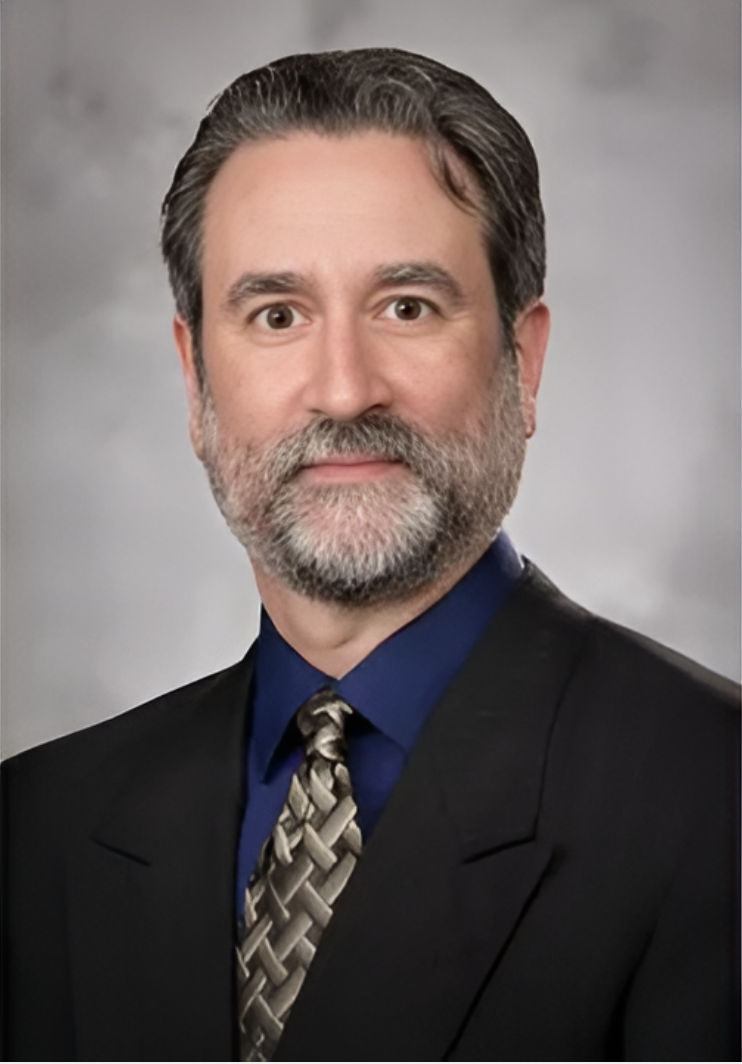
Meet Bruce Burkeen, PA-C

Meet Roopa Kline, PA-C

Angela Braun, PA-C

Anthonia Umelogu, NP

Austin Powell, PA-C

Dr. Akash Kumar

Erin Egan, LMSW

Sarah J. Kruger, LCSW

Dr. Aaron Sedlar

Pamela Aalto, LMSW

Benjamin Hadden, LLMSW

Kristen Daniels, LMSW

Mary Jameson, LMSW

Rachel Thompson, LLMSW
-
![Late-Diagnosed ADHD in LGBTQ+ Adults]()
Late-Diagnosed ADHD in LGBTQ+ Adults
Why it’s more common than you think
-
![A person sitting on a hospital bed participating in a video call with a healthcare professional who is explaining medical images and ECG results during a telemedicine consultation.]()
“High-Functioning ADHD”
Is That Even a Real Thing?
-
![]()
ADHD in Women
Why So Many Are Diagnosed After 25
-
![]()
ADHD (Attention Deficit Hyperactivity Disorder)
A Detailed Guide